Make repeated journeys visible
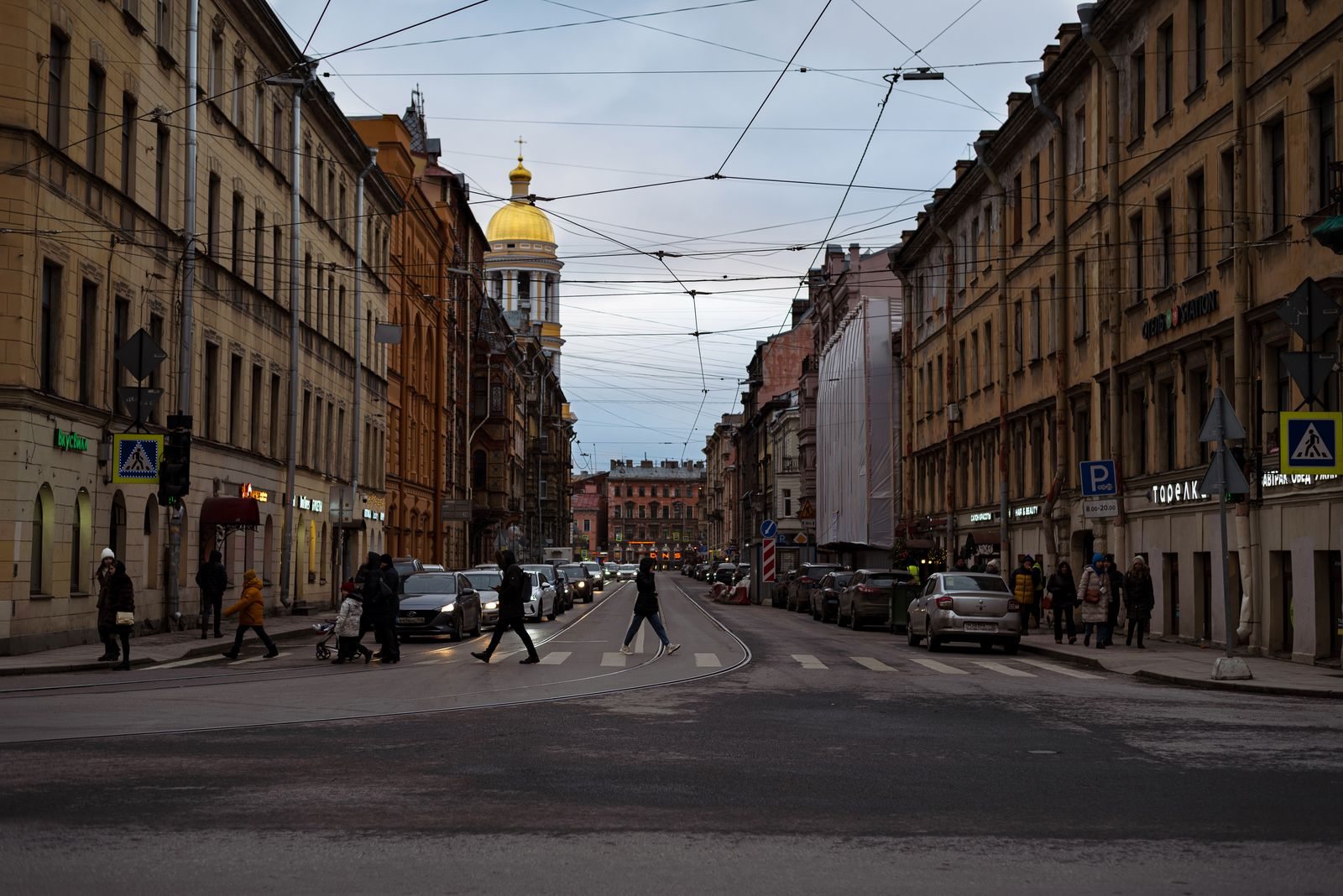
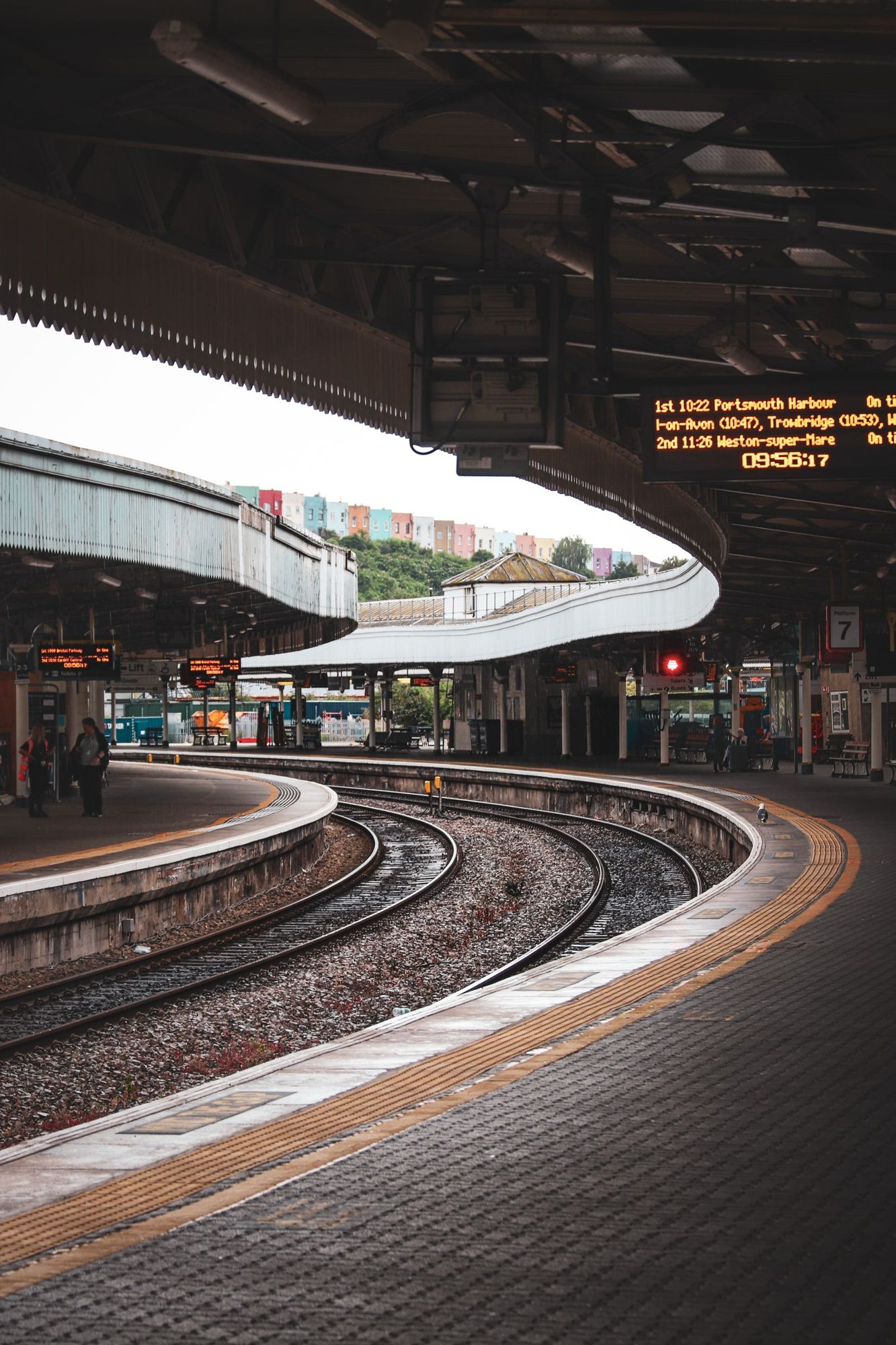
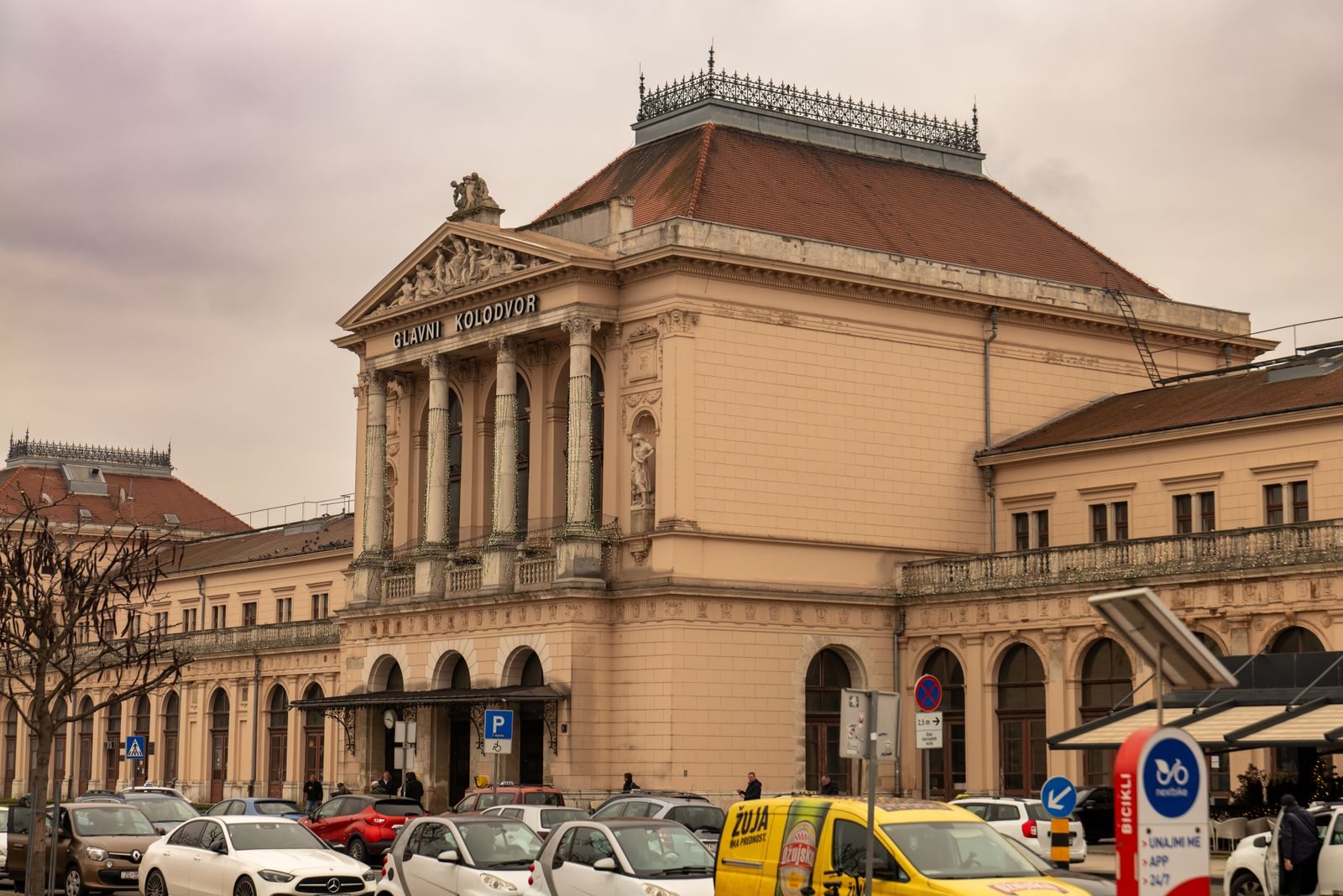
List the main journeys across the whole trip: arrival, daily exhibition visits, evening appointments and departure. Staying near the station may shorten the first and last legs, while a venue-side location can simplify several daily trips. Which matters more depends on your actual programme, not simply a distance shown on a map.
Check routes to the correct entrance. ‘Near the exhibition’ may refer to the property boundary while your access point lies on the other side. The same applies to a large station with several exits. Use specific starting and finishing points rather than general place names.
Consider how your luggage changes
On arrival you may carry a large suitcase, while exhibition days involve only a work bag. A short daily route with many steps can still be awkward if you regularly transport samples. Assess connections, walking sections and necessary access points as well as the time spent aboard a vehicle.
Think about the final exhibition day. Must you return to the accommodation for luggage, or is confirmed storage available along the departure route? That extra loop can change which location is more convenient. Do not build the comparison around luggage storage that has not actually been confirmed.
Compare two complete sequences
For each possible location, compare a typical full day and the departure day. Check current services with the relevant operator. A convenient morning journey says little about returning after an evening appointment. Also consider whether a straightforward alternative exists if one part of the route is unavailable.
Then choose the base that supports the important commitments with the least organisational effort. The shortest individual ride does not necessarily create the calmest stay. Record your reasons so a travelling colleague understands how the location benefits the shared programme rather than judging it only by the distance from one landmark.