Identify vulnerable details
Assess each sample separately. The largest surfaces are not always the most vulnerable: a projecting handle, a thin edge or a loose connection may be more delicate than the main body. Ask the manufacturer or responsible specialist about suitable packaging if the material and its tolerance are unclear.
Also check whether removable parts should travel separately. Dismantling only makes sense when it is intended and can be safely reversed on site. Photograph the original condition and identify small components before they disappear into packaging, particularly when another person will assemble the exhibit later.
Limit movement inside the package
A large quantity of soft filler does not automatically provide good protection. What matters is appropriate support that prevents the sample striking other parts or the outer wall. Use materials compatible with its surface. Check the closed package carefully without conducting an improvised stress test on a valuable original.
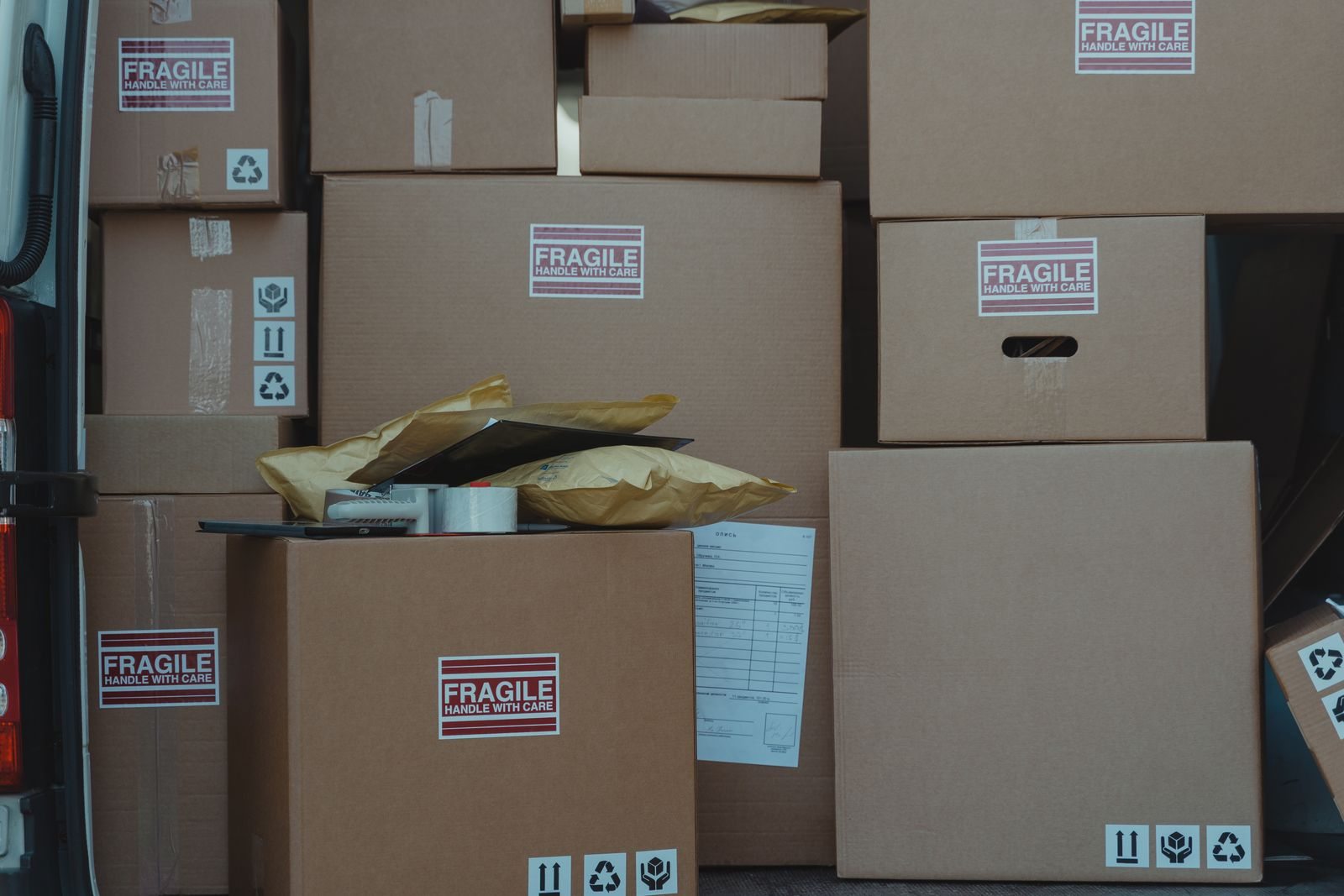
Plan the complete transport chain: office, vehicle, handling point, venue and stand. Every additional handover changes who moves the package and how well they understand its contents. Handling labels help, but they do not replace suitable packaging or agreed transport conditions with the carrier.
Prepare for the return journey too
Include understandable repacking instructions. A photograph of the open package can show which protective pieces belong where. Name the person who will check that the complete, undamaged sample is packed after the show. The original packer may no longer be on site during dismantling.
Store empty packaging according to the organiser's rules and include its collection in the dismantling plan. Inspect the contents promptly when unpacking and document any issues factually. This helps relate a problem to the relevant transport stage instead of discovering unexplained damage several weeks after the event, when details are harder to establish.