Define the tag's purpose
Consider which contact channel you will actually monitor during the trip. A useful way to reach you is better than a long list of rarely checked addresses. Include only details needed for the purpose that you are comfortable displaying. For work luggage, check your organisation's requirements. A decorative label with initials may help recognition but provide no way to contact you. Visual identification and a reachable contact are separate tasks.
Balance readability and coverage
Write clearly and check that the information remains legible within the small space. A suitable cover may prevent details from remaining constantly exposed, but it must still work for the intended purpose. Do not place a full itinerary or copies of important documents on the outside. A misplaced bag needs a contact route, not a public account of your absence and every place you will stay next.
Check attachment and possible confusion
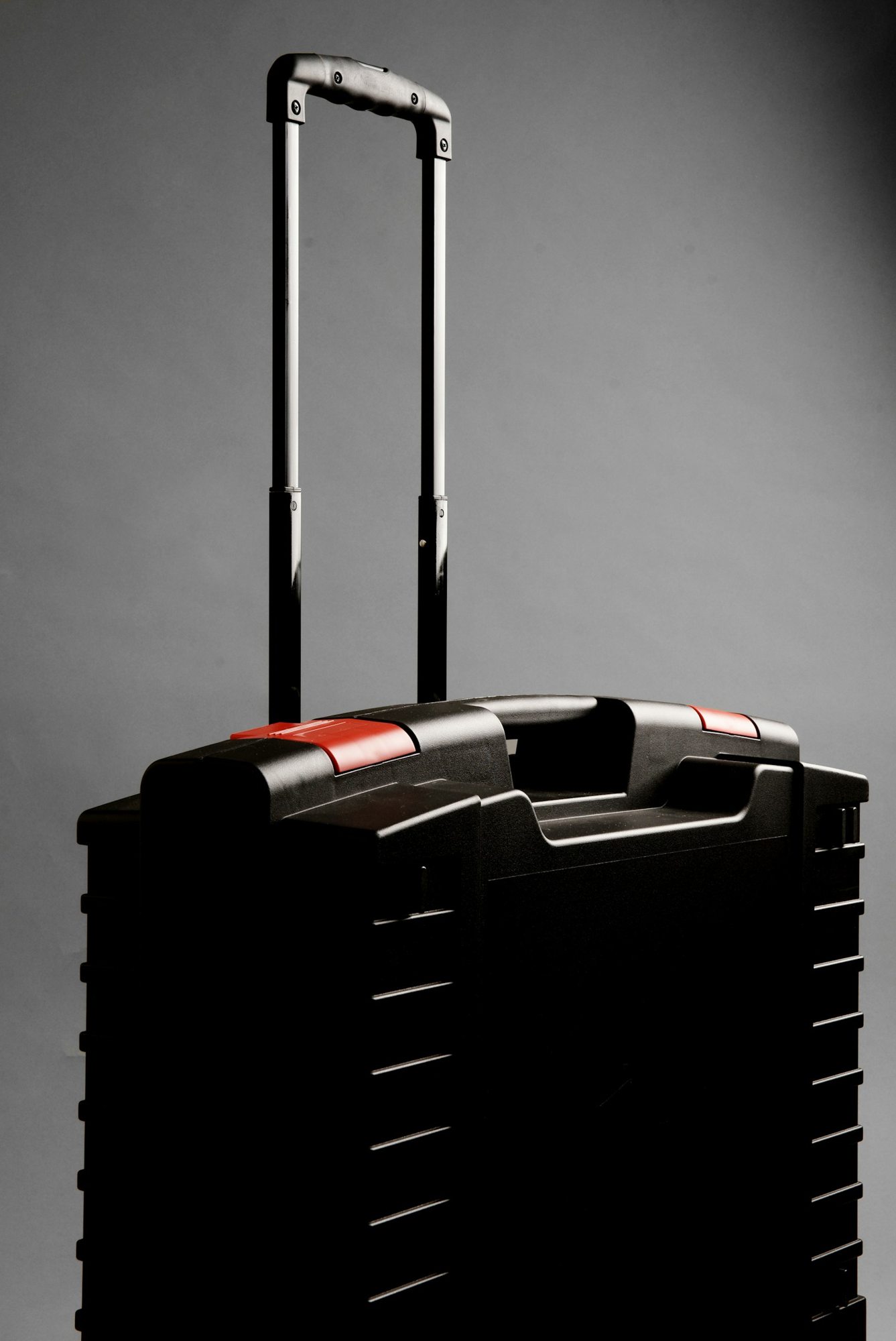
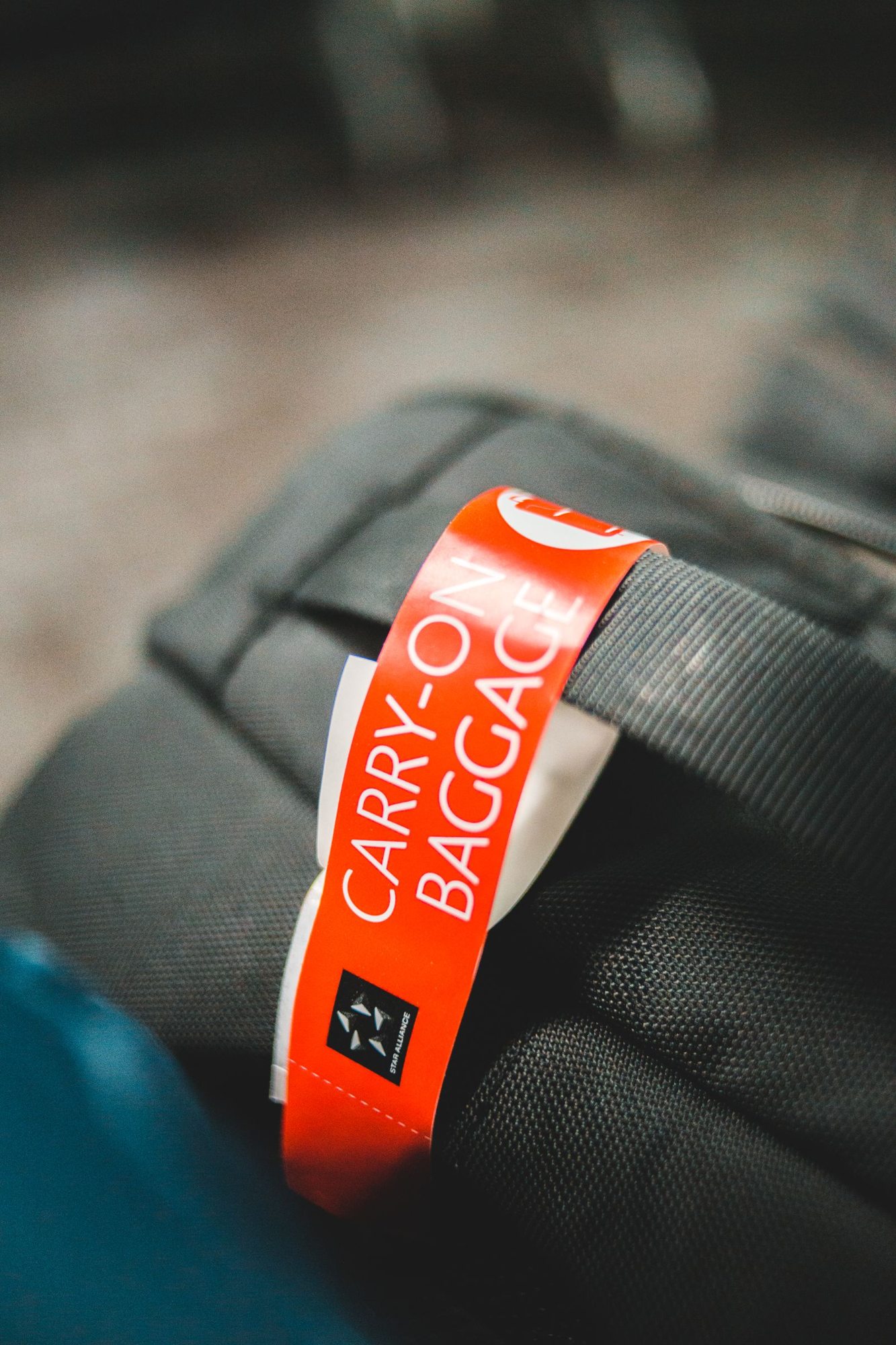
Attach the tag at a suitable intended point and test the fastening. Avoid long loose loops that may catch unnecessarily during handling. Make sure required carrier labels are neither obscured nor altered. A distinctive personal marker can help you recognise the case. Still check before taking it that the luggage is actually yours; a similar colour or identical tag does not replace that inspection.
Keep the information current
Read the details briefly before each trip. An old phone number or unused email address makes the tag less useful. Remove superseded personal inserts and handle old carrier labels appropriately without damaging current ones. If useful, photograph the bag for your own description without distributing unnecessary personal data. The tag supports straightforward identification; it does not guarantee that every missing suitcase will automatically find its way back.