Design for a particular conversation
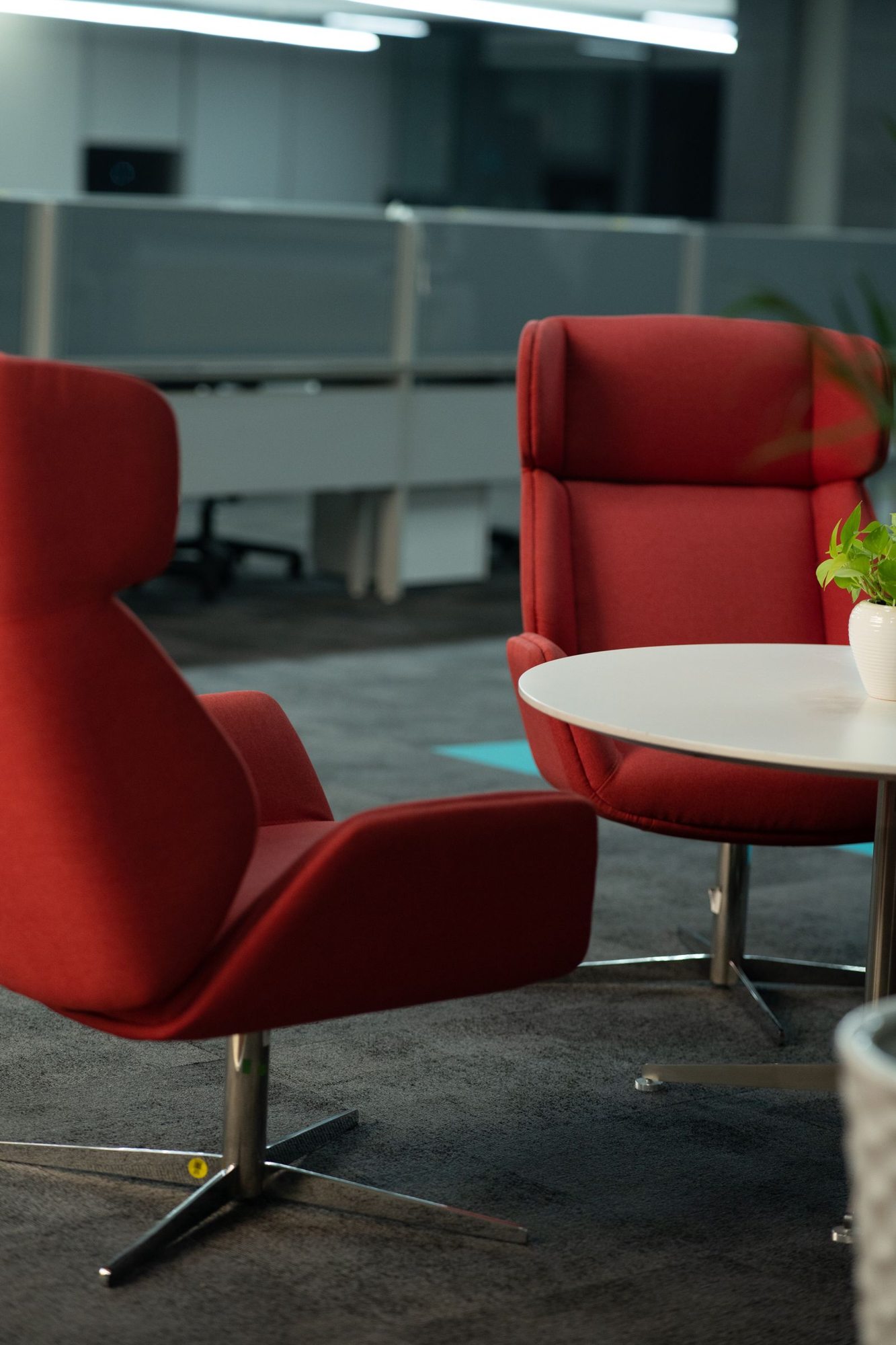
Decide what the seats are for. A brief discussion over a drawing may need only a small table. A longer meeting involving several people calls for more space for documents and greater separation from the demonstration. Do not try to accommodate both situations simultaneously around a table that is too small.
Establish the real space requirement by having people sit down. Include pulled-back chairs and bags in the trial. The area beneath the table should not become brochure storage. Check whether the furniture accommodates different needs and whether the arrangement remains within the rules applying to your exhibition stand.
Coordinate sight lines and movement
A seat immediately in front of the entrance may make the stand appear fully occupied. Where possible, place the meeting group to one side so arriving visitors can identify another person to approach. The welcome position should still be able to see when the meeting needs assistance, without constantly interrupting it.
Test the screen or document from both seats. If one person must keep twisting to see it, the table shape or placement is wrong. Also avoid making confidential papers easily readable from the aisle. A separate room is more appropriate for a genuinely sensitive discussion than relying on careful chair placement alone.
Agree how to use it when busy
Discuss when staff should invite visitors to sit and roughly how long they expect to need the area. A clear handover prevents two colleagues from promising the same table to different appointments. A simple shared calendar is often sufficient, provided everyone actually uses it and records changes promptly.
Reset the surface between conversations: remove used cups, secure the previous person's notes and open the next required document. Do not leave personal belongings permanently on spare chairs. If a meeting runs over, agree another time or a suitable alternative location rather than keeping the next group waiting in the entrance.