Map three journeys, not one point
Start by tracing three journeys: your arrival point to the hotel, the hotel to the exhibition entrance you will use, and the hotel to your departure station or airport. A property beside the venue may be excellent for the second journey and awkward for the others. Evening client appointments also matter. Add those commitments before ranking hotels by distance. A straight line on a map tells you little about the entrance you can actually use.
Compare the complete effort
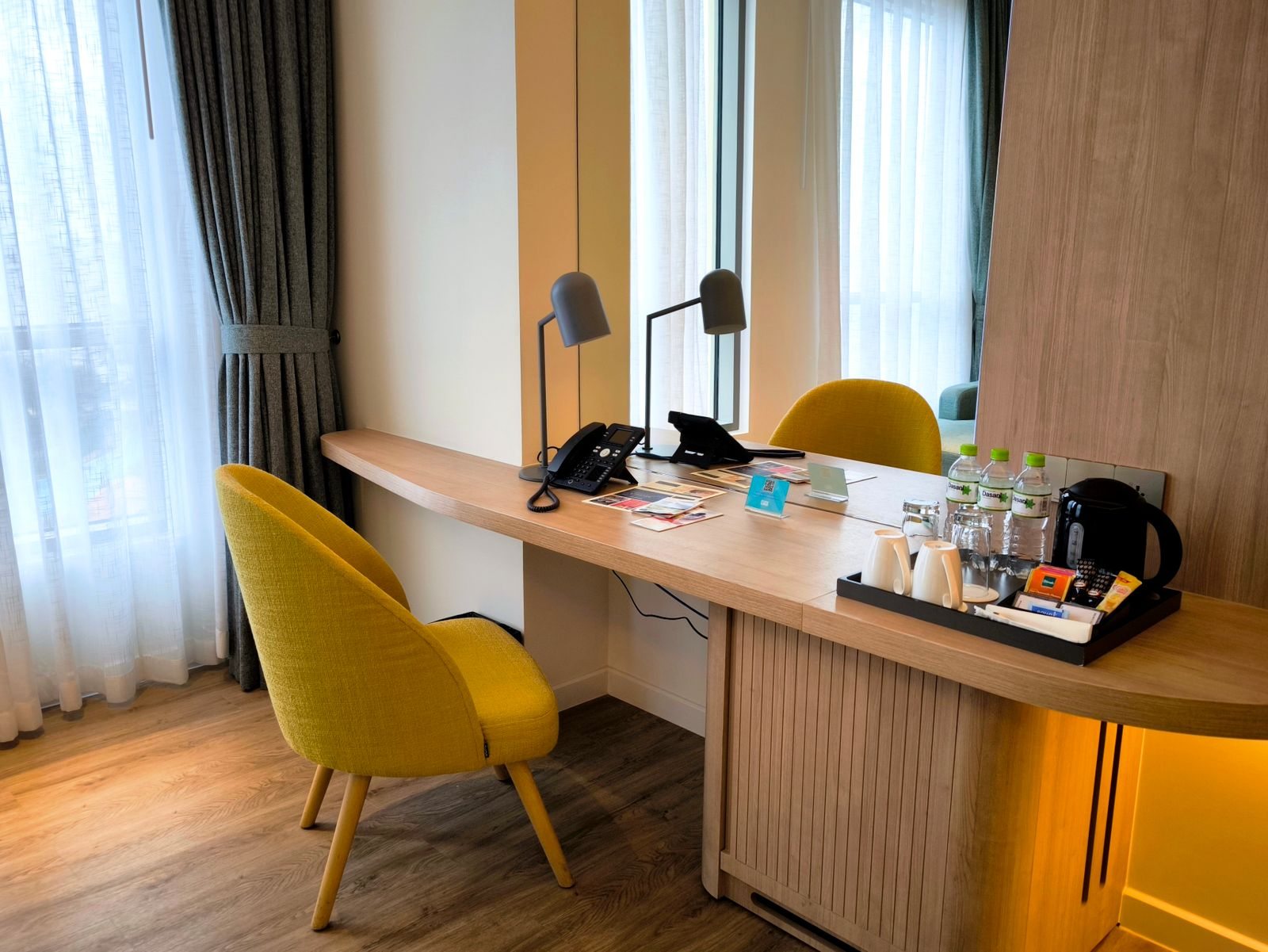
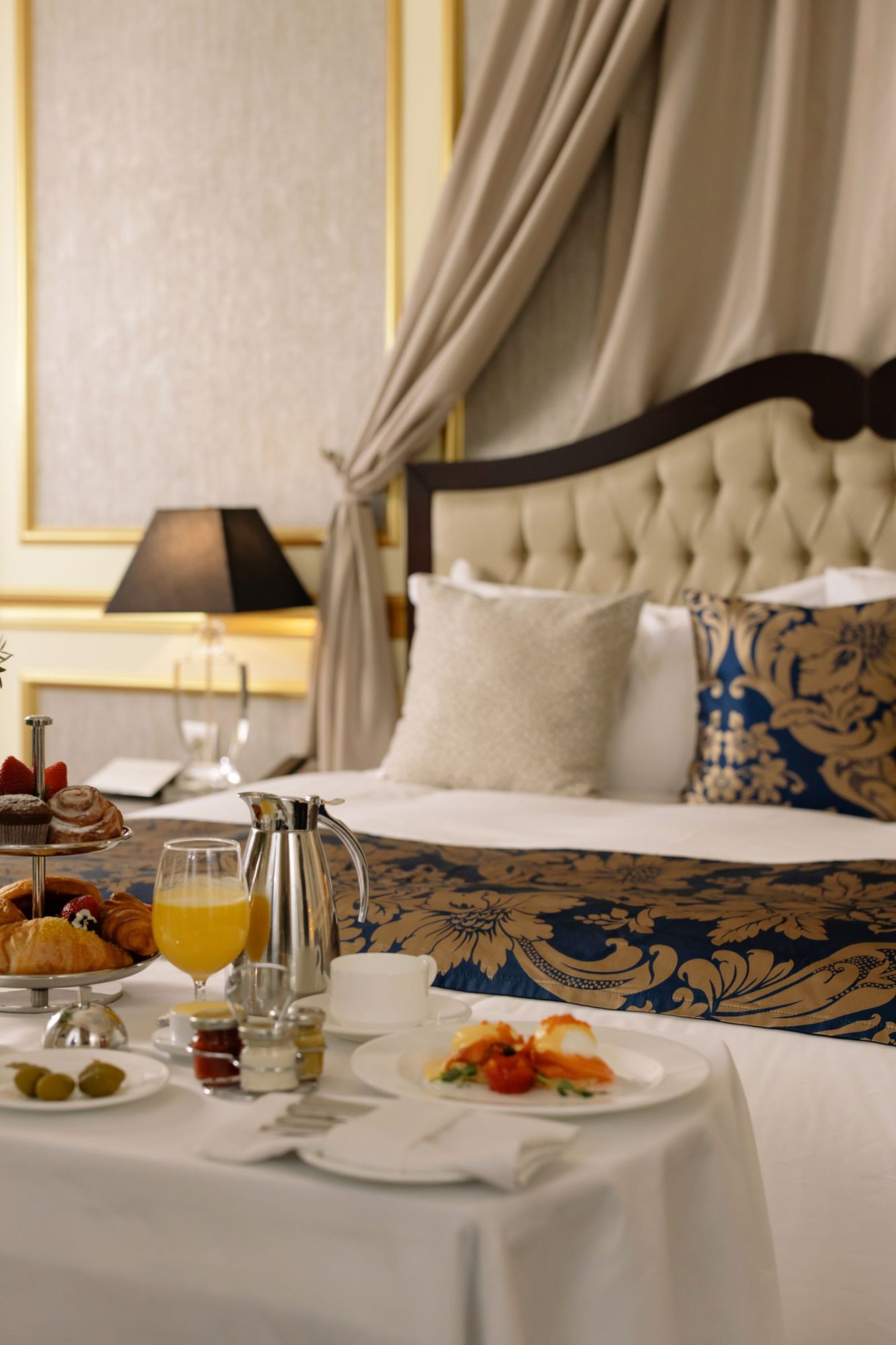
Alongside the room price, record the services you genuinely need: breakfast before departure, a usable working surface or a confirmed late arrival. Check charges and conditions in the specific offer. A cheaper room that adds a connection on every exhibition day may be a worse fit. You need not convert every spare minute into money, however; a straightforward journey that is easy to plan can itself justify the choice.
Investigate a short shortlist
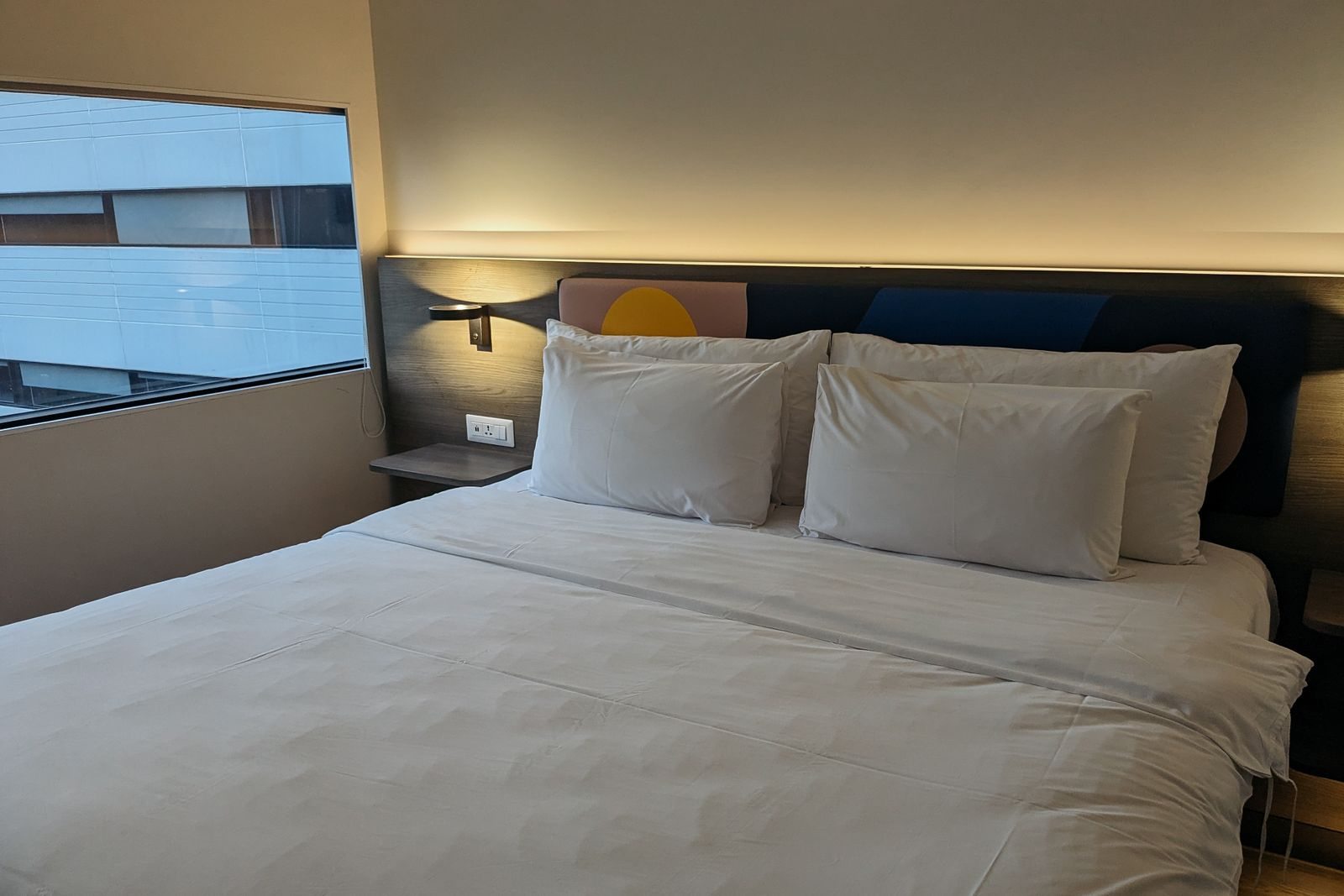
Reduce the search to three suitable properties. Ask precise questions about missing details rather than sending the same broad enquiry to many hotels. For example: can you arrive after an evening appointment, and how would you gain access? Save the answer with the booking. Photographs of an attractive reception do not establish the facilities in your room category or the availability of a workspace. Read the description of the category you intend to reserve.
Examine the weakest part before booking
Imagine the hardest day: an early start, heavy luggage or a late finish. Does the accommodation still work? If the final return journey becomes difficult, investigate another route or property. Then decide using your two most important requirements. Continuing to search for a hotel that wins on every minor detail rarely makes the decision more useful.