Identify the main use
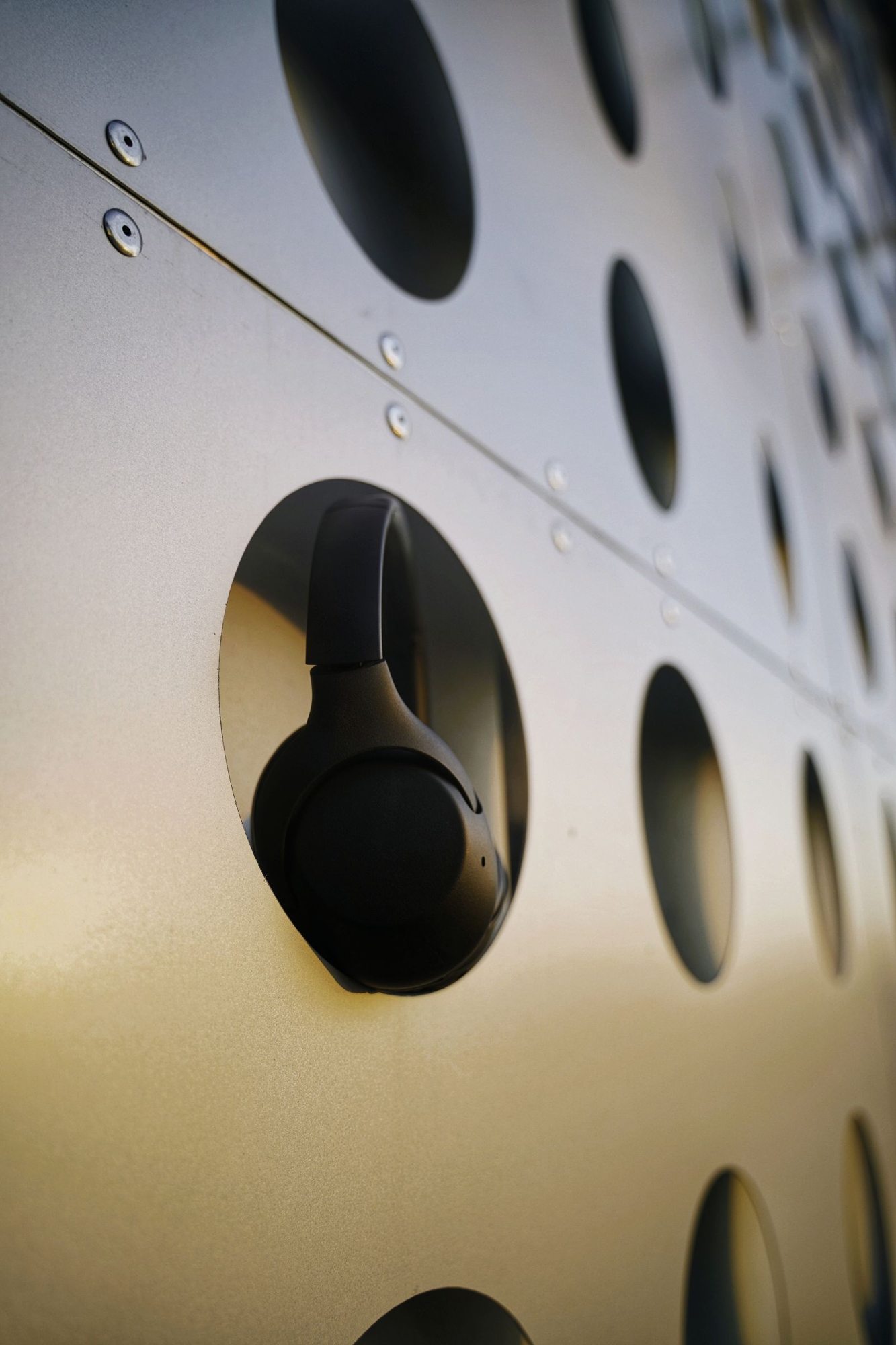
Consider whether you mainly want to listen to music, join calls or review videos. For conversations, microphone intelligibility matters; quiet individual work places emphasis elsewhere. Test with another person how your voice sounds in a realistic environment. Pleasant audio on your side says little about what is transmitted. Choose according to the most frequent use rather than working through a long feature list unrelated to your trip.
Test with the device and bag
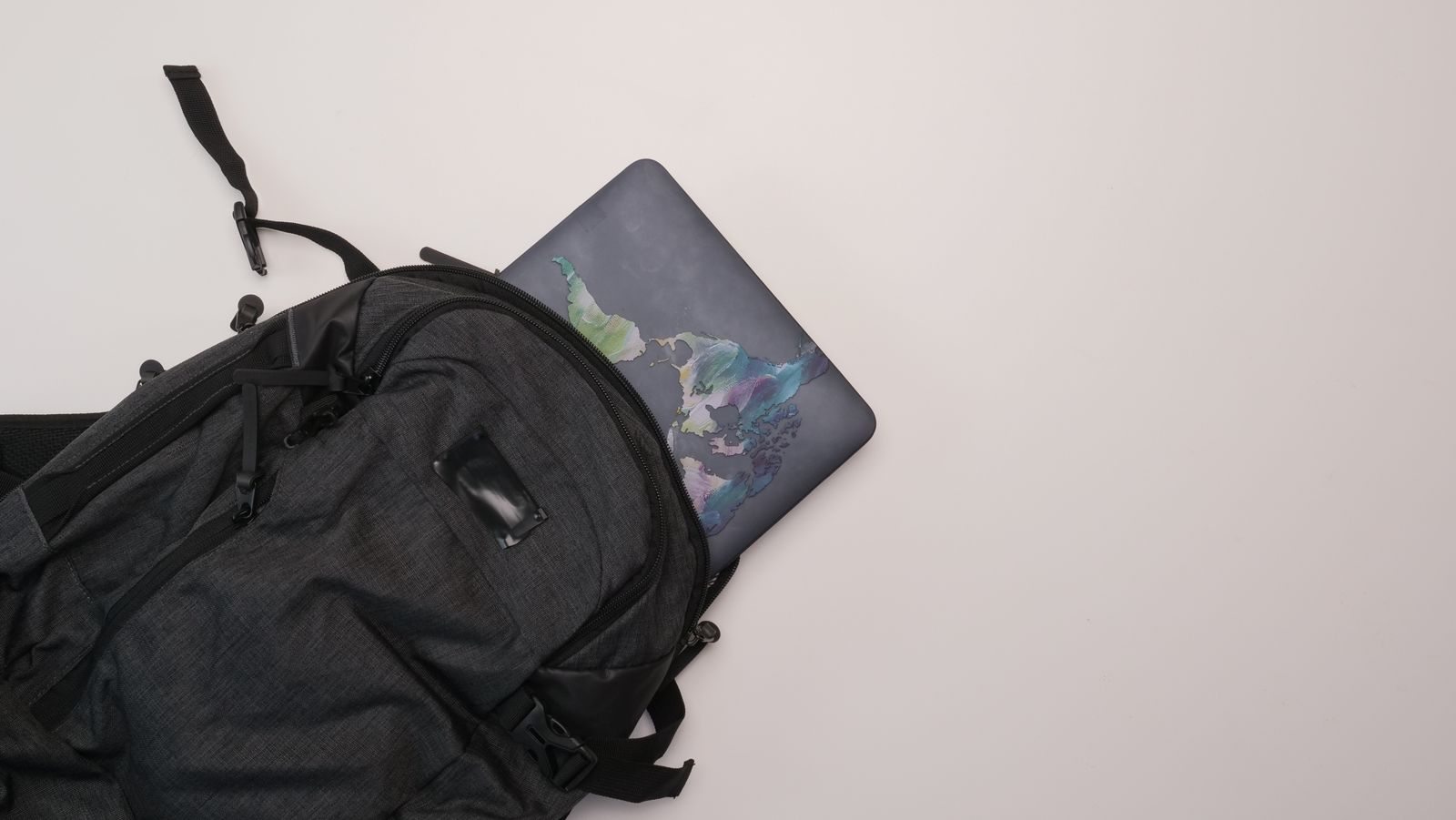
Connect the headphones to the phone or laptop actually travelling. Check how the intended application behaves and whether switching between devices works reliably. If a cable is part of the arrangement, keep it accessible with the set. Then test packing: a large protective case may occupy more space than the headphones themselves. For a short trip, a familiar working model is often more practical than a new solution whose controls you must learn on the road.
Remain aware of the surroundings
Pay attention to announcements, traffic and other signals along your route. Do not use headphones in a way that removes attention you need to maintain. The appropriate setting depends on location and task. A quiet waiting area calls for something different from crossing a street. Avoid continually raising the volume to cover an unsuitable working environment. Individual hearing questions require appropriate professional guidance; travel advice cannot replace a personal assessment.
Keep charging and storage simple
Check the charge before departure and bring only the necessary accessories. Small individual parts need a fixed place so they do not disappear into seat gaps or jacket pockets. Clean and maintain the model according to the manufacturer's instructions. Afterwards, consider which functions actually helped. If you never made a call, an elaborate microphone may have mattered less than easy packing and a straightforward connection to your device.