Separate distribution from stock
Decide which objects are freely available and which are handed over during a conversation. A small giveaway is used differently from a material sample that needs explanation. When they sit together, visitors may miss the distinction. A clear arrangement prevents an important demonstration sample from accidentally being taken away.
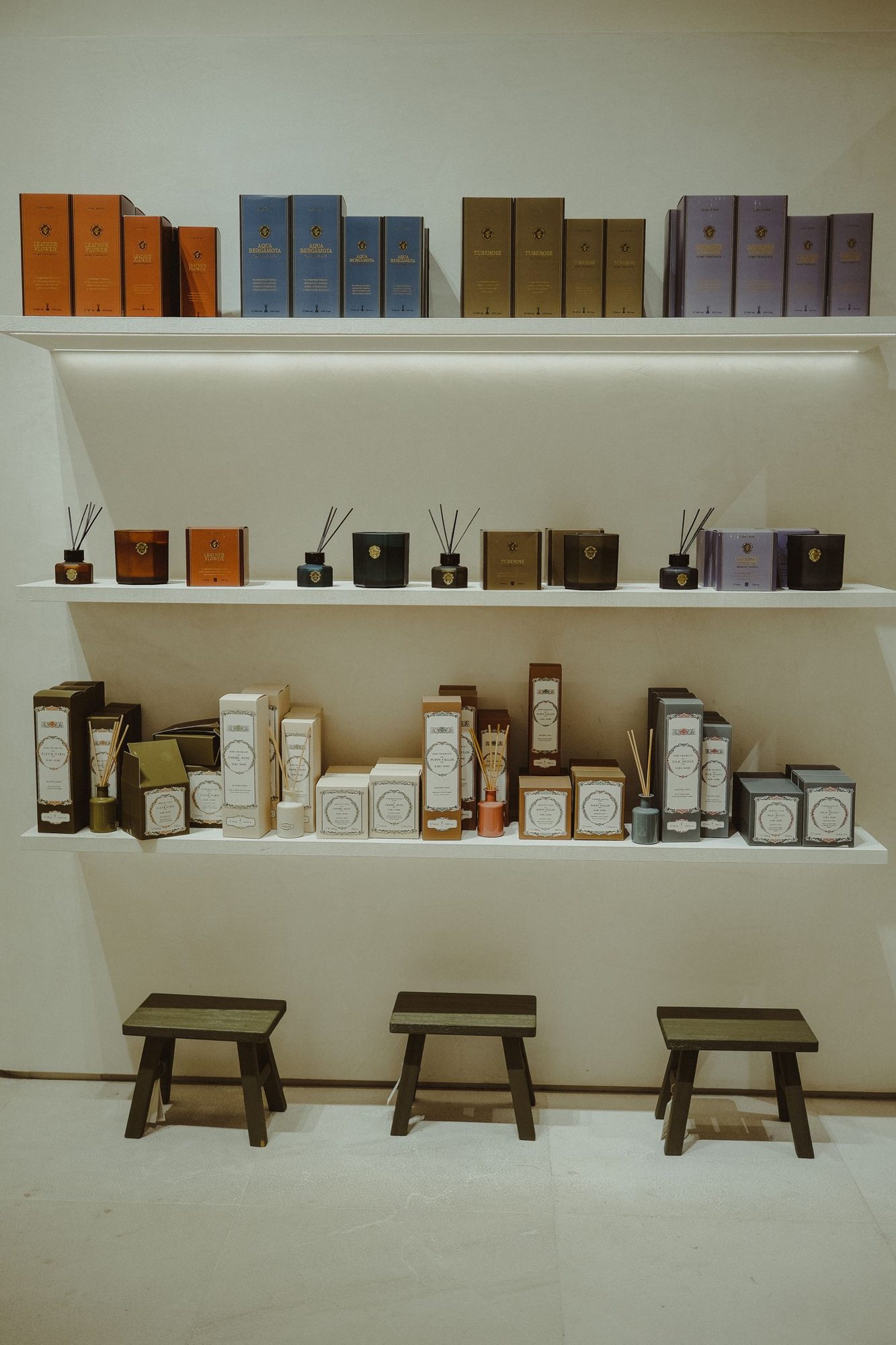
Display only the quantity that can be presented neatly. Large piles quickly become confusing and occupy conversation space. Keep reserves in labelled containers within permitted storage areas, rather than in the aisle or in front of technical equipment that must remain accessible.
Make replenishment a short task
Arrange reserves by item and, where relevant, language. A carton mixing German and English leaflets with several sample types wastes time at every visit. Open packaging that must be accessible without tools before admission begins. Still retain any protective packaging needed for the return journey.
Choose an obvious point at which to refill. It does not need to be an elaborate stock calculation: an almost empty tray may be sufficient if somebody checks it regularly. Clear responsibility matters more than a perfect system nobody uses once the stand becomes busy.
Observe use rather than guessing
At the end of a period, note which items were handed out frequently and in what context. High consumption alone does not show that an object helped your intended audience. It may simply have been closest to the aisle. Also consider whether it supported a discussion or supplemented information someone had requested.
Collect damaged or dirty samples separately so they cannot accidentally return to the distribution area. Before the next day, check that replacements exist and decide whether the display needs adjustment. Fewer well-organised items can leave a better impression than a crowded surface with no visible logic to its selection.