Assess the subject before choosing the place
Consider why the discussion needs a more protected setting. Does it involve unreleased product information, specific contract terms or personal details? Depending on the subject, an open seating area may be unsuitable even when it is quiet. Speaking softly does not stop other people seeing documents or screens.
At the stand, limit the initial exchange to arranging the meeting and identifying what it requires. Avoid explaining the sensitive subject in detail while searching for somewhere quieter. Establish who needs to attend and whether you will show digital material or work through printed documents together.
Check the room in practical terms
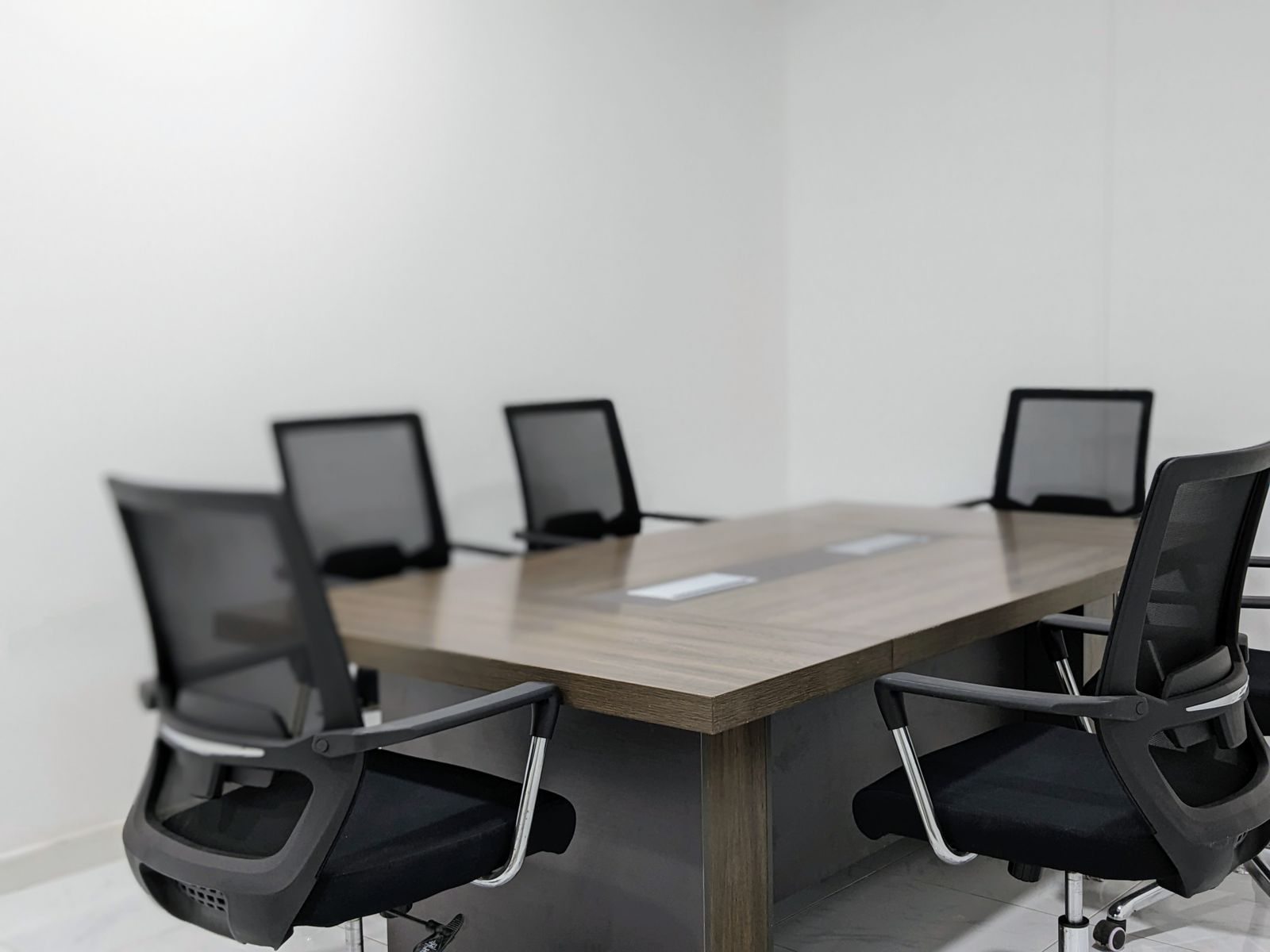
Ask the organiser or your accommodation about appropriate meeting facilities and confirm availability. A room shown on a plan is not automatically free or available without booking. Check the duration, access arrangements and required equipment before promising the location to another person.
When choosing, consider doors, glass walls and nearby groups. A quiet room can still be easily overlooked. Also check whether your presentation works without using someone else's account or unfamiliar equipment. Open only the files required for this discussion rather than leaving unrelated material visible on the same device.
Make the transition discreet
Share a precise meeting point and allow time to get there from the stand. When several people are involved, a named contact helps manage delays. Do not leave sensitive papers behind while looking for the room. Keep the necessary documents organised and under your control throughout the move.
After the meeting, put outstanding tasks in the appropriate internal record. Before leaving, check the table, connected devices and any presentation surfaces you used. If no suitable space is available, a later agreed appointment may be the better option. Time pressure is not a useful reason to quietly abandon the level of privacy the subject requires.