Describe the failure you are covering
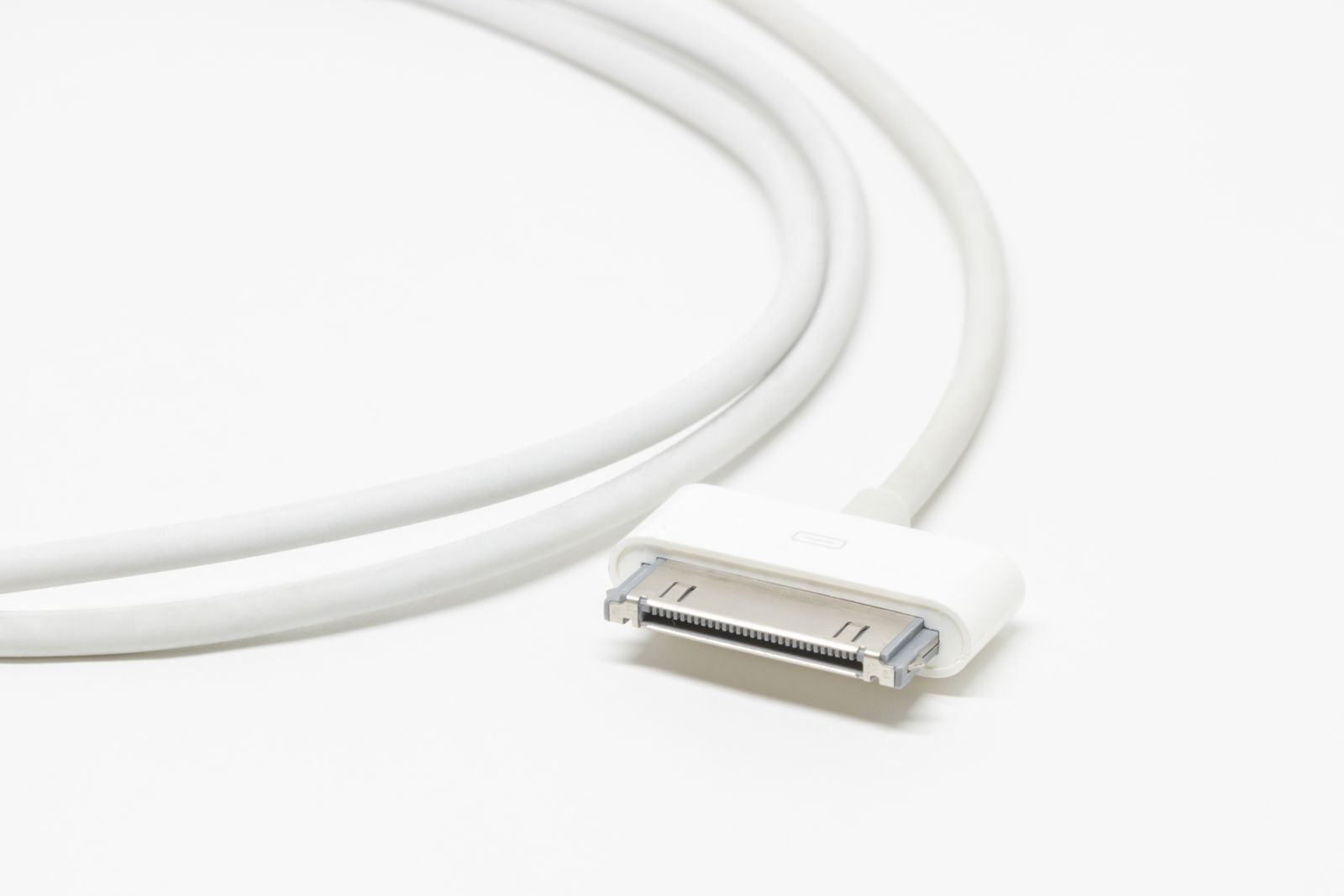
Consider which device truly depends on one cable during the trip and what would happen if that cable disappeared. A phone used for navigation and communication may have higher priority than an occasional accessory. State the spare's role in one sentence. If the second cable only works with a power supply that is not travelling, it does not solve the imagined problem. Check the complete charging arrangement rather than only the shape of the two connectors.
Try both leads in practice
Connect the main and spare cables in turn to the device and power supply you will use. Check that each provides the function required for the task. A cable may look appropriate without delivering what you expect. Use the manufacturers' information to establish compatibility. Damaged or unreliable leads are not useful backups. Remove them from the kit rather than bringing them on the assumption that they might help one more time.
Choose storage according to the purpose
If the spare covers a cable forgotten at a hotel socket, a different fixed bag location may be useful instead of placing both on the desk together. For a quick replacement alone, a clearly identified section of the cable pouch may suffice. Keep the arrangement modest. Too many separate hiding places make the reserve difficult to find when needed. A small marker distinguishes similar cables without adding confidential details or lengthy technical descriptions to each lead.
Restore the normal set after use
If you switch to the backup, investigate after travelling why the main cable was absent or failed. Replace it deliberately and retest the setup. Otherwise, the former reserve silently becomes the only remaining cable. For additional leads that remain unused, consider whether their purpose still exists. A useful spare has an understandable reason, remains functional and can still be confidently found after several trips.