Consider the entire route
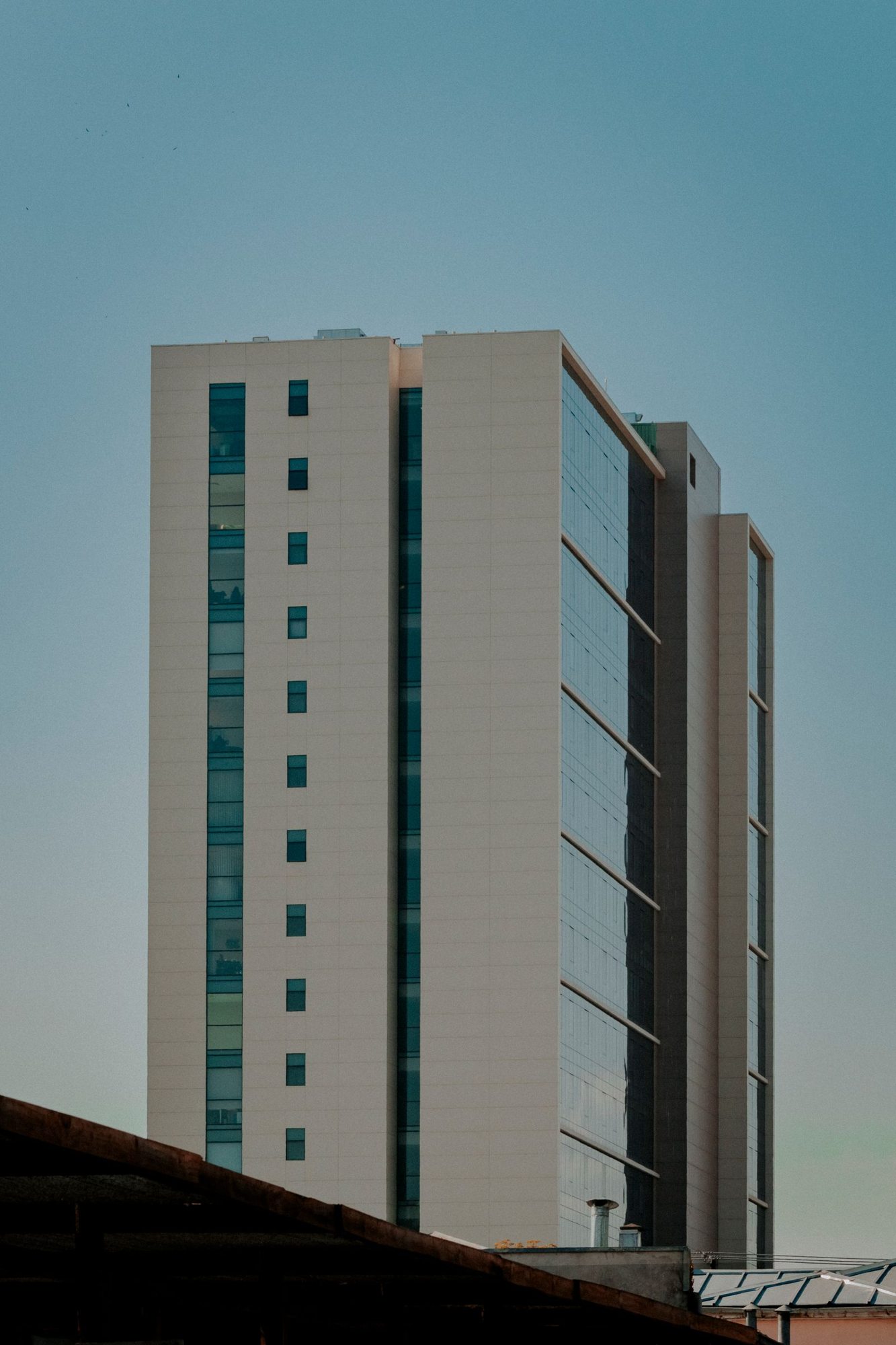
Start at the actual hotel entrance and follow the path to the room. Ask about steps, door widths, lifts and thresholds along that route. State any measurements you require explicitly. Information about the bathroom alone does not confirm suitable access from the pavement. Request current photographs or measured details where something is unclear. Describe your own needs rather than assuming a general facilities term means the same thing everywhere.
Discuss the bathroom in detail
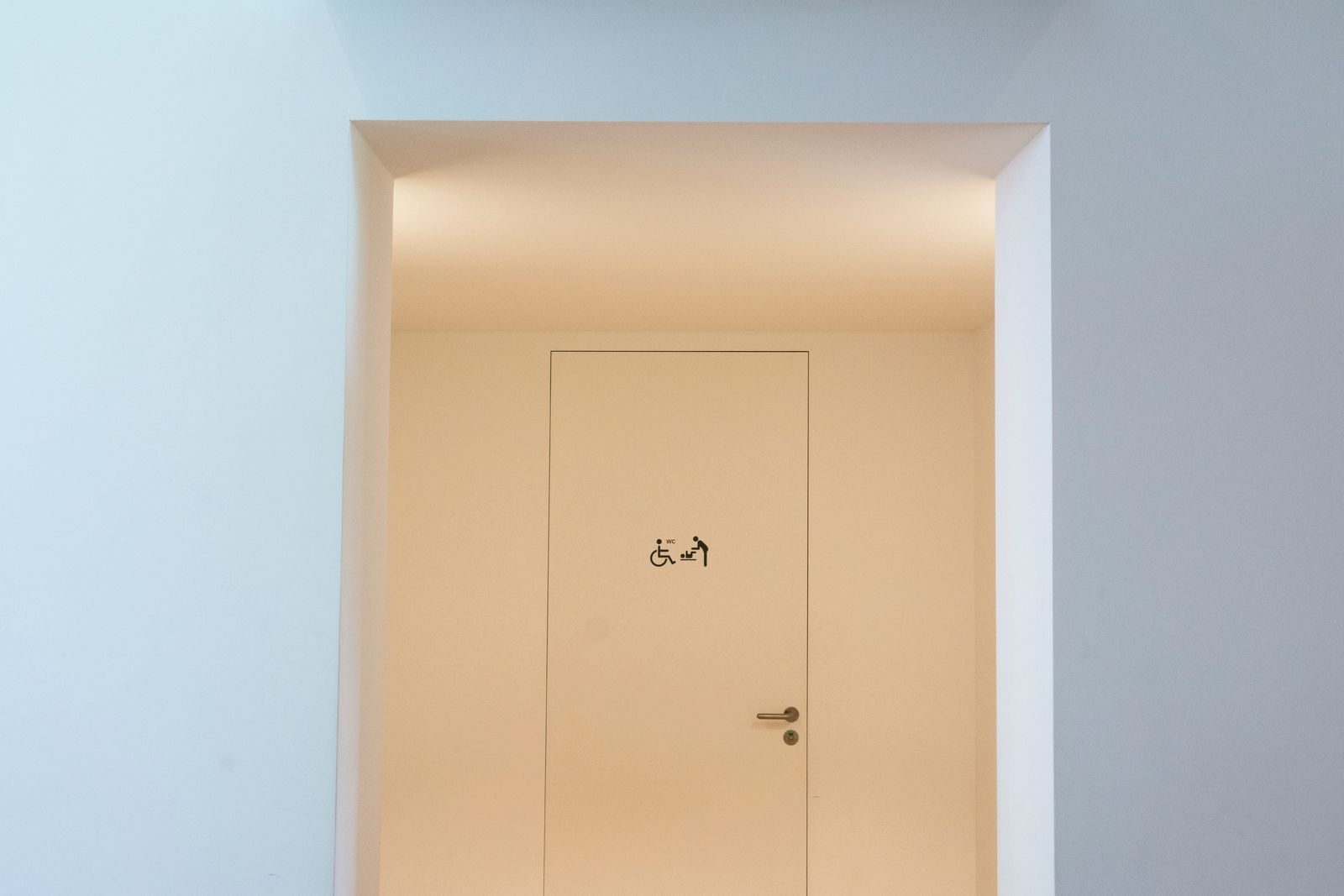
Clarify the features important to you separately, such as manoeuvring space, shower arrangement, grab rails and the positions of fixtures. A photograph can help but does not replace measurements when those are decisive. Ask whether the information concerns the specific room or only a category. If you travel with an assistant, the arrangement must also accommodate their space requirements. This is practical planning, not an assessment of the property's legal accessibility status.
Include sleeping and working
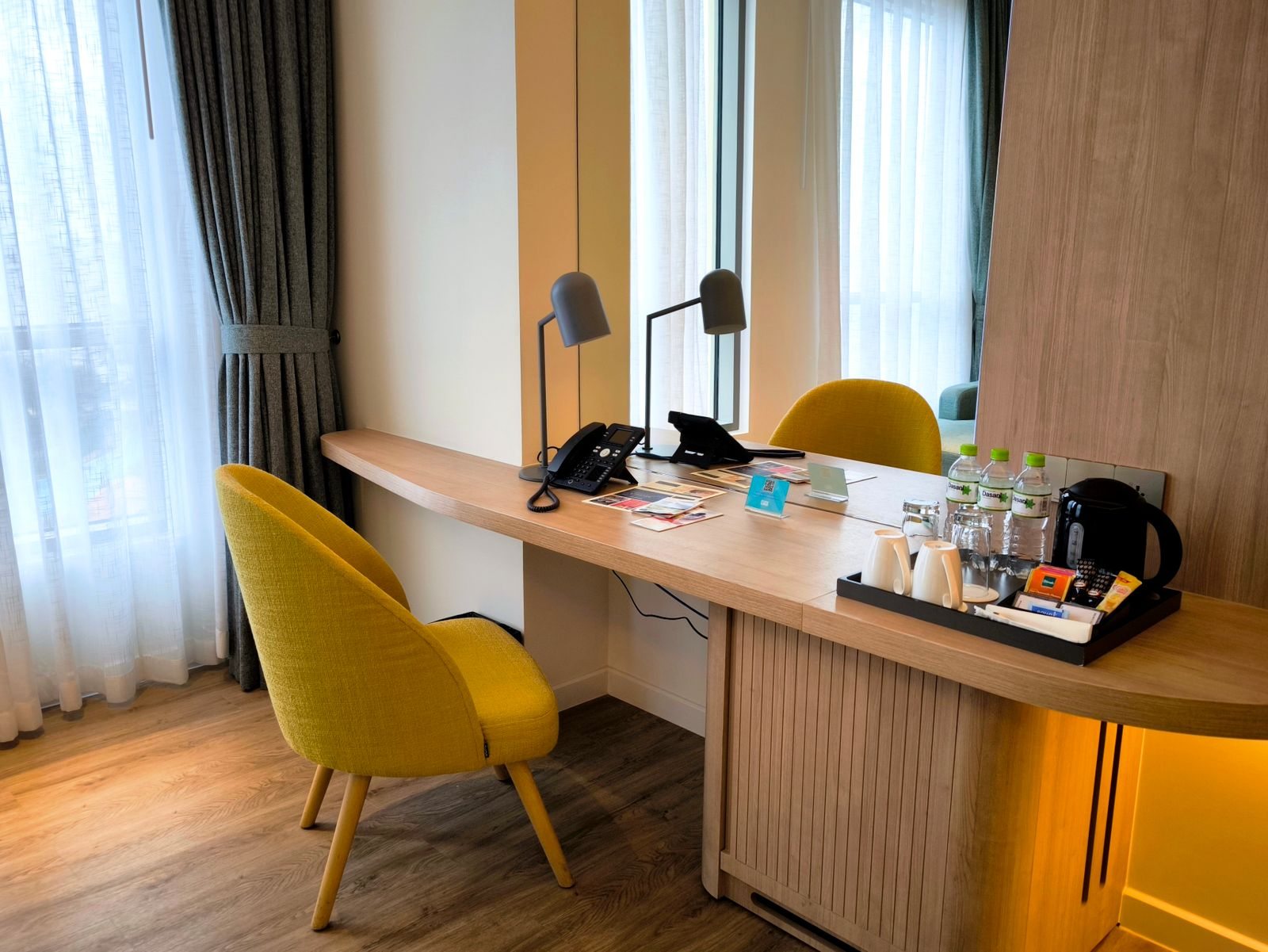
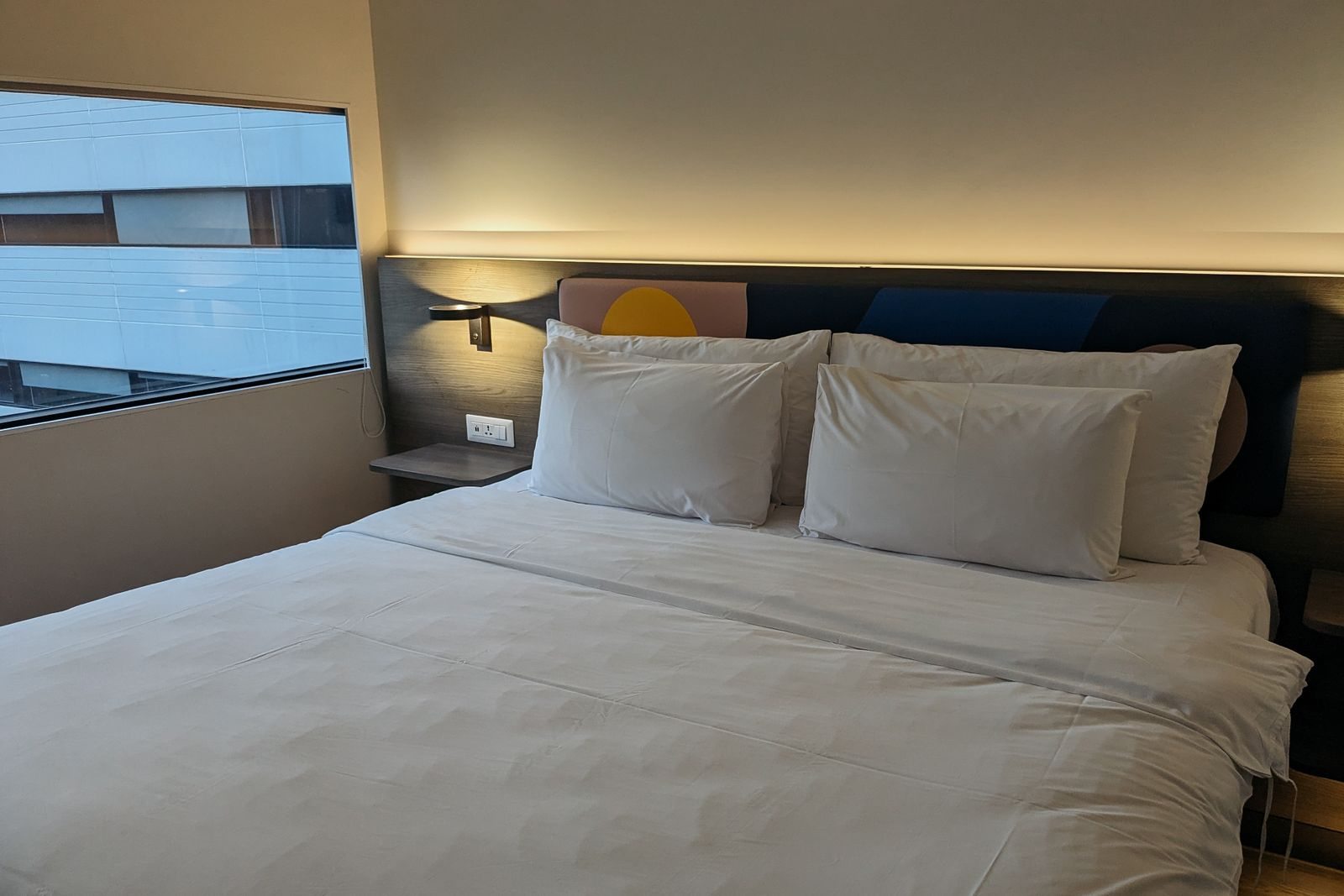
Beyond the bathroom, bed height, space beside the bed and reachable switches may be important. Add requirements for the workspace or storage of mobility equipment. Send the property a short prioritised list rather than many unstructured general questions. Identify essential points and distinguish them from preferences. This makes a clear answer easier and prevents an attractive extra from obscuring a missing feature on which your stay depends.
Keep the confirmation with you
Store the details supplied alongside your reservation and check whether the suitable room has been explicitly confirmed. A non-binding preference is insufficient when you cannot use the accommodation without a particular feature. Inspect the important points early on arrival and raise discrepancies promptly. The daily journey to the exhibition also needs planning; a suitable room does not by itself establish accessibility throughout the entire visit.