Check the room's facilities first
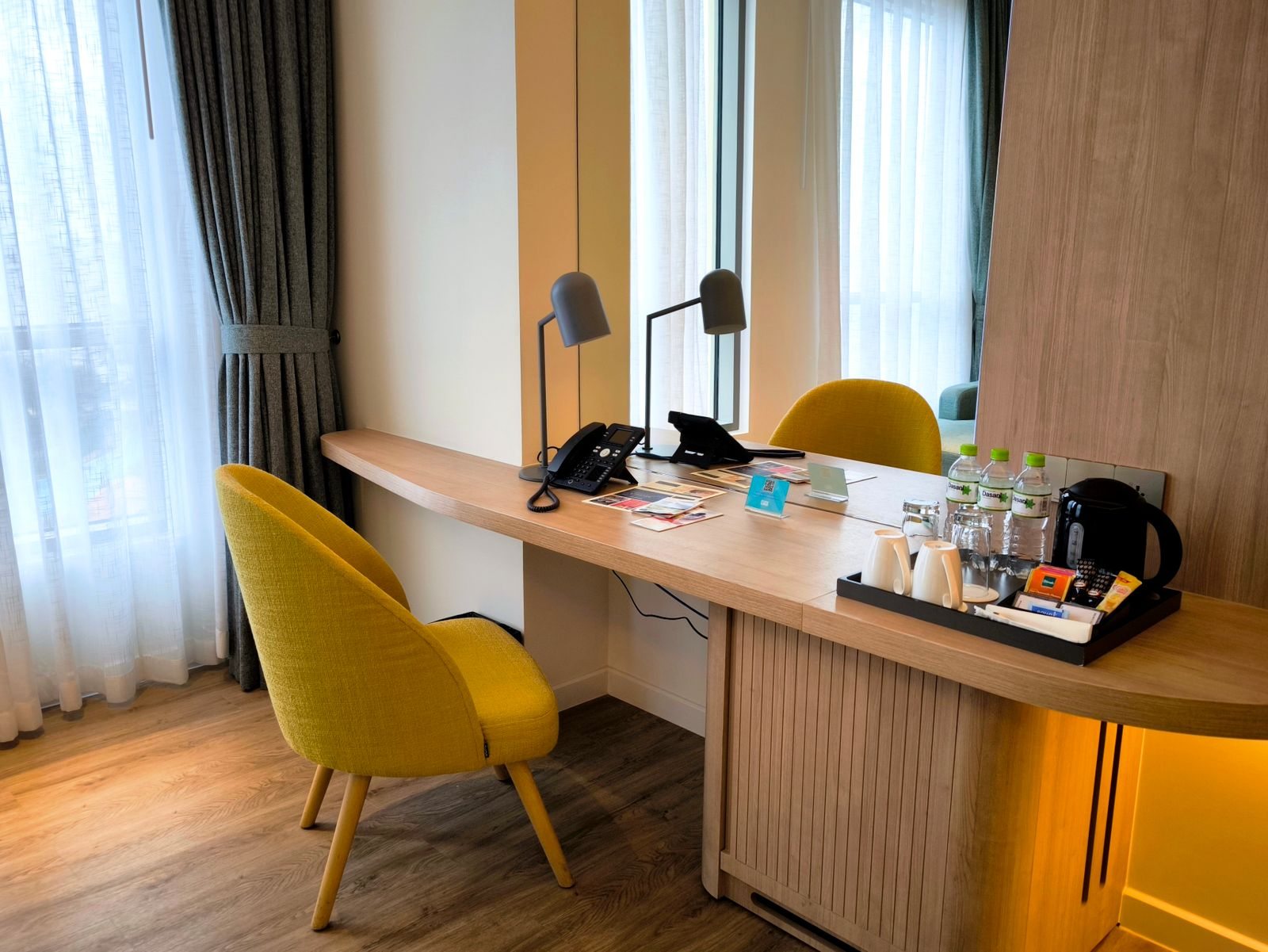
Look at what storage and preparation are genuinely possible. A minibar is not automatically a fridge you may freely use, and a coffee machine is not a cooking facility. Clarify the use of provided equipment when the description is unclear. Do not buy chilled supplies before suitable refrigeration is confirmed. During a short stay, small quantities of shelf-stable food may be much more practical than a large shop that leaves unused items behind.
Plan one meal specifically
Start with the need you want to cover yourself, such as a simple breakfast or something after a late appointment. Check whether crockery and cutlery are supplied or whether you need appropriate items. Bread without a knife, or a sealed jar without a suitable way to open it, does not yet solve dinner. Choose a few ingredients that work together rather than shopping for several unrelated meal ideas at once.
Put the shop on an existing route
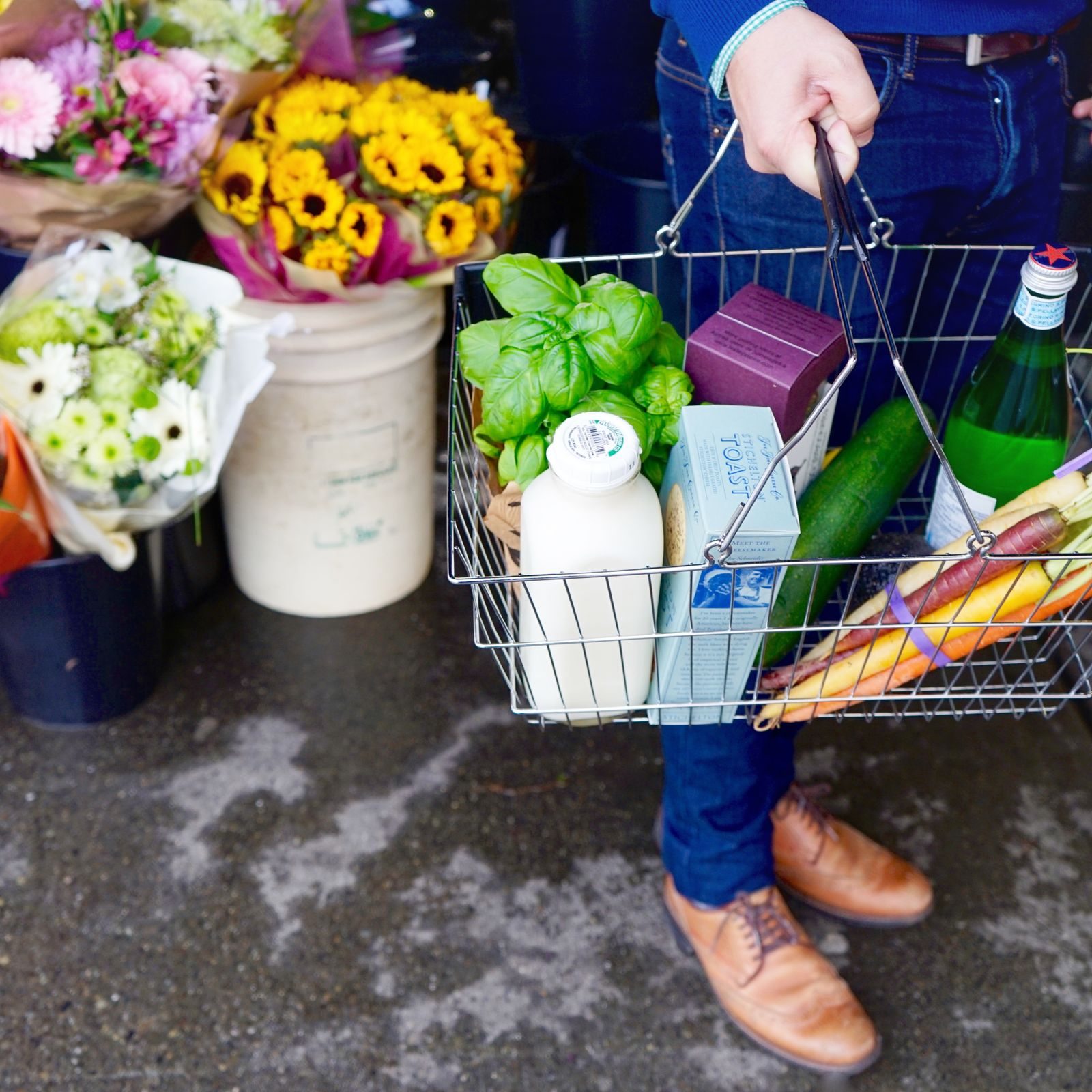
Find a shop along your return journey and check its current opening for the relevant day. Avoid fitting the purchase into an already tight connection. Consider how much extra weight you want to carry alongside your work bag. A folding tote may help, but it does not replace realistic quantities. When travelling on foot, a smaller initial shop is often more sensible than carrying heavy supplies for the entire stay.
Think about leftovers and departure
Before buying, note how many days remain before you leave. Do not automatically purchase the same quantity on the final evening as at the beginning. Store food according to its instructions and dispose of leftovers appropriately; do not leave open supplies as an assumed service for future guests. Clean used surfaces and follow the property's rules. A simple grocery plan only saves journeys when storage, use and the end of the stay fit together.