Check dimensions and location before travelling
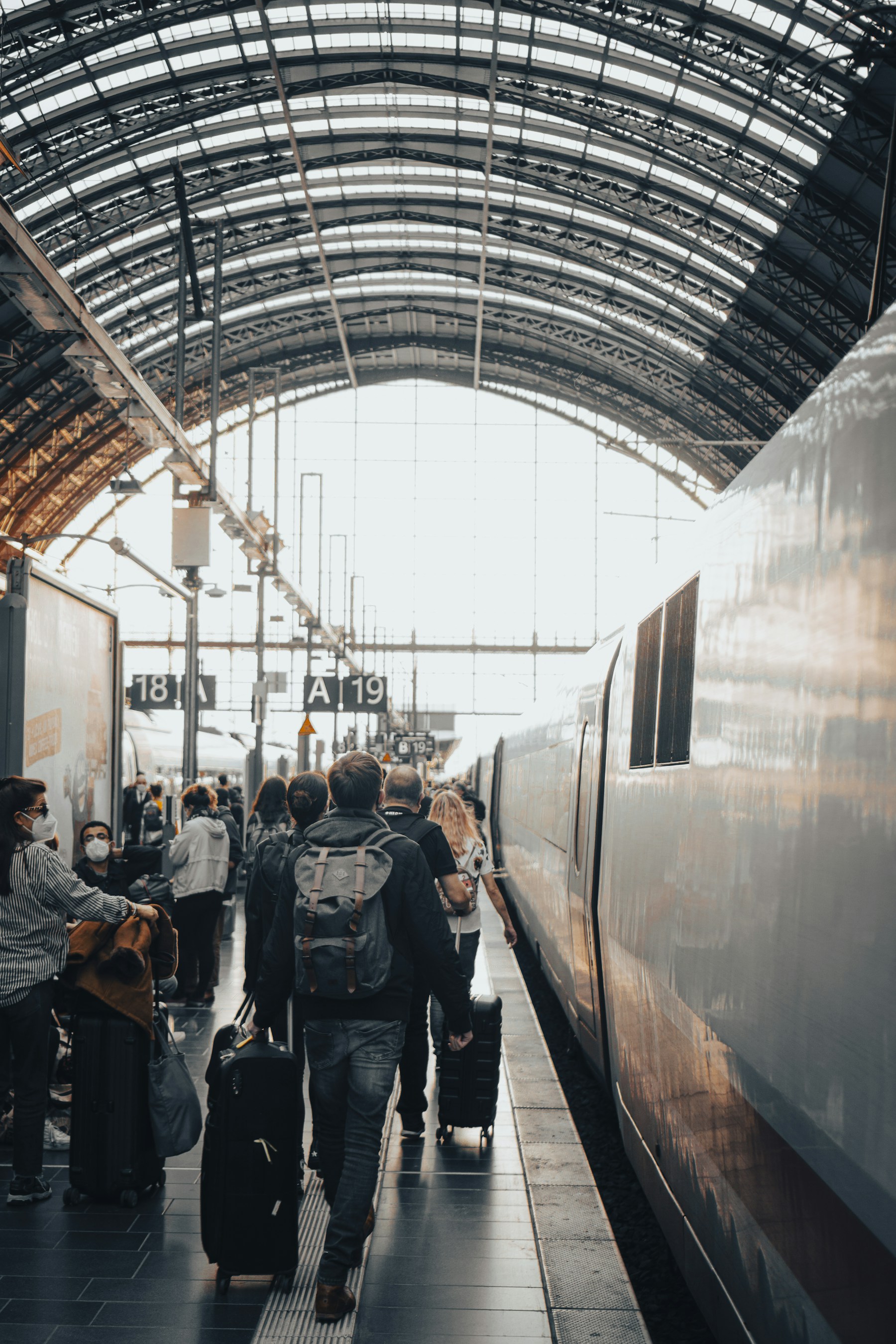
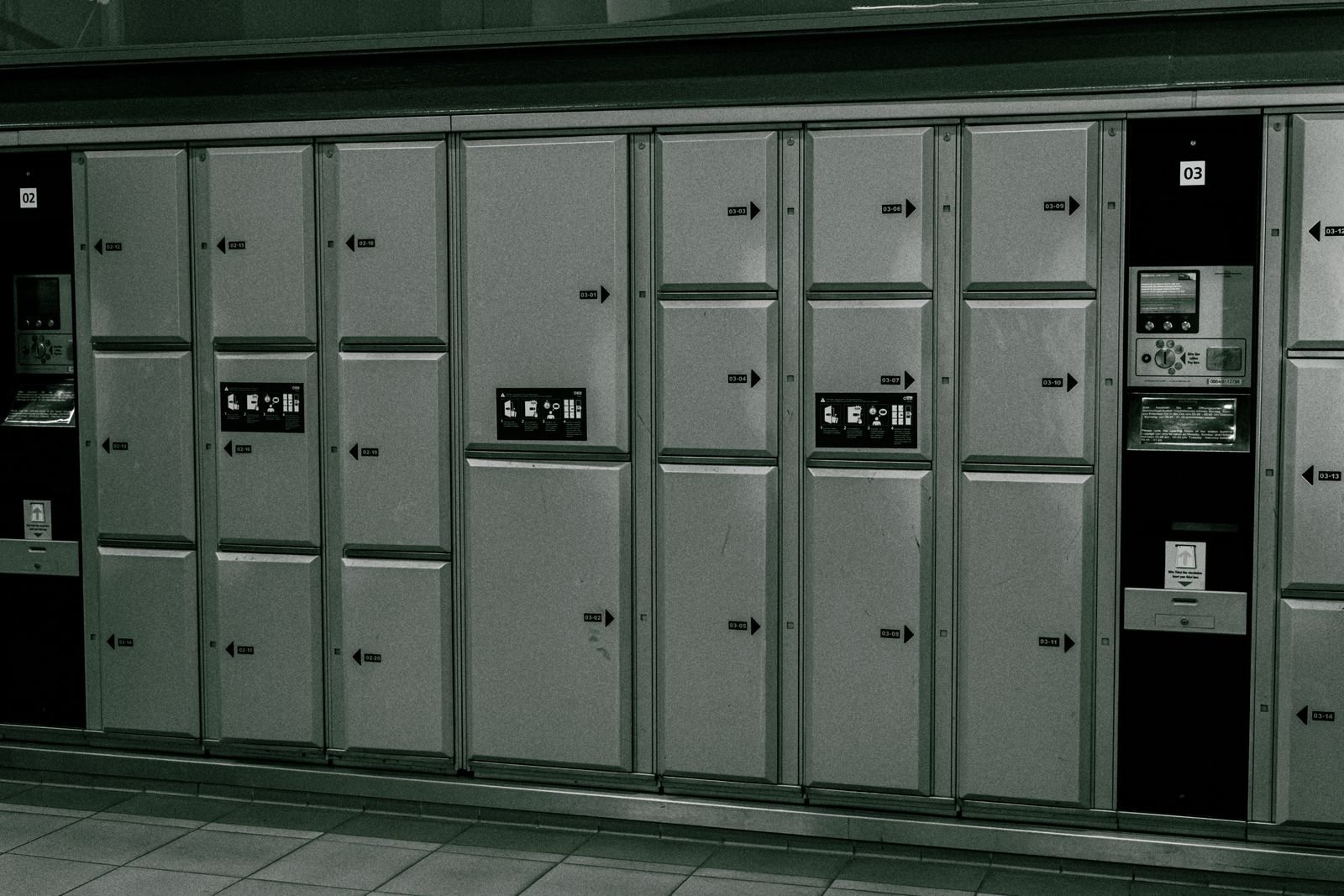
Use the official station page to check whether luggage storage is offered and where it is located. Do not confuse self-service lockers with a staffed left-luggage facility. Measure your case including its wheels and handles. A vague description such as large does not establish whether it fits a particular compartment. Include the walk from your arrival platform to the storage area, especially when handling more than one bag.
Do not assume a compartment will be free
A storage symbol on a map is not a reservation. Decide what you will do if suitable compartments are occupied or unavailable. Confirmed hotel storage may be an alternative if the detour remains practical. An important appointment should not depend on one particular locker being free. Tell travelling companions who needs an update if the arrangement changes, rather than letting everyone wait at a different entrance.
Store only what you can do without
Remove identification, payment cards, tickets, required medication and meeting documents before closing the locker. Read the conditions and keep the key, code or receipt secure. A photograph of the surrounding area can help you find it again; sharing a visible access code is not a sensible memory aid. After closing the door, check that it has actually locked before walking away towards the exhibition or your onward transport.
Include collection in the return journey
Record the location and any access hours separately from your train itinerary. If your return route uses another part of the station, the locker may not be conveniently on the way. Allow for collection before heading to the departure platform and check any time-based charges with the operator. An extra café stop may be impractical, for example, when it requires collecting luggage from the opposite side of the station first.