Do not infer permission from the furniture
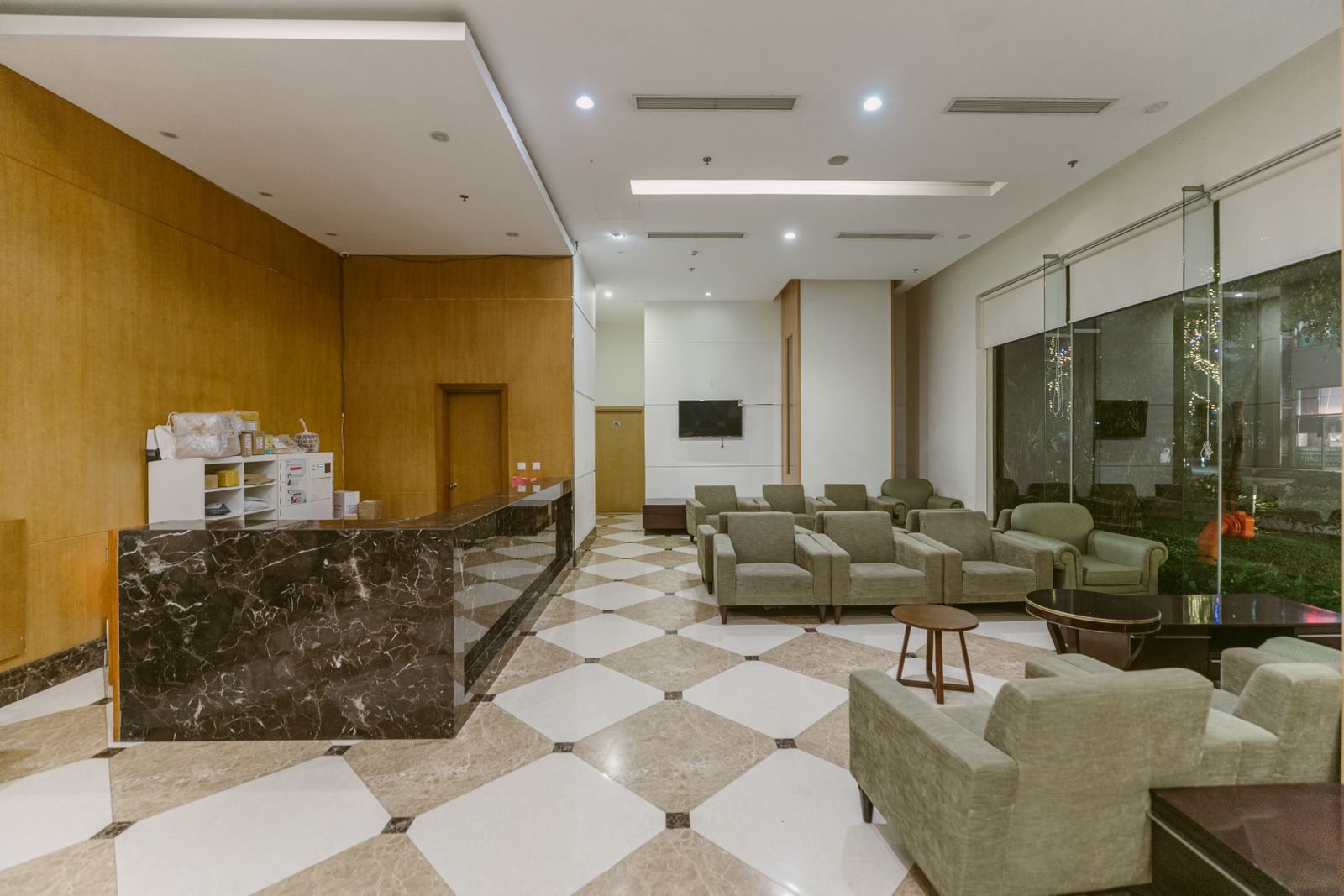
Ask whether you can use the area before check-in or after checkout and whether any conditions apply. Some spaces belong to a food and drink service or are reserved at particular times. An open door and empty chairs do not confirm a specific use. Briefly explain whether you simply want to wait or intend to work on a laptop. For several people, state the group size. This prevents an apparently free area from becoming an unannounced meeting room.
Choose a position requiring little setup
Find a place where your body and bags do not obstruct circulation. Occupy only the space you actually need. One traveller with a laptop should not claim several seats using a coat, suitcase and brochures. Check for a suitable surface; a low coffee table can be awkward for extended typing. During a short wait, reading or arranging a few notes may be more practical than constructing a complete workspace.
Match the task to a public setting
Handle only material appropriate to the surroundings. Confidential conversations, visible client information and loud video calls fit poorly among other guests. Headphones do not stop others hearing your own voice. If a sensitive task is urgent, ask about a suitable separate room. Charge devices only at permitted, appropriate outlets without running cables across walking routes. A brief stay does not justify an improvised installation through the seating area.
Set a clear leaving time
Decide when to depart for the next appointment and keep belongings together so you can leave promptly. Watch your possessions and do not leave a temporary workspace unattended. Pay for any ordered services and take rubbish away or dispose of it appropriately. A lounge works best as a waiting place when you arrive with a modest setup and then release the space completely for others.