Unpack the next requirement first
Take out the clothes you intend to wear the following day. Inspect them in good light for marks and noticeable creases. Hang delicate pieces on suitable available hangers without placing wet clothing above them. Ask for extra hangers if necessary rather than assuming they will be available. The remaining clothes can stay organised in the suitcase when wardrobe space is limited. What matters is avoiding a complete reshuffle of the case each day.
Choose a clean storage position
Place the suitcase on a suitable luggage surface if one is available and appropriate. Keep doorways clear and avoid leaving shoes where you will walk at night. Separate clean and worn clothing using a dedicated bag or a fixed section of the case. Damp items should first be allowed to dry in accordance with their care instructions. Leaving damp clothing tightly packed is not a practical storage solution. Do not improvise a dryer using heaters or lamps.
Deal with creases using suitable equipment
If ironing is necessary, ask for an appropriate iron and surface or enquire about the service offered. Follow the garment's care instructions. A room table is not automatically an ironing board. Also establish when any clothing handed over to a service would return. Sending away a jacket without checking on the morning of an important meeting creates an unnecessary dependency. Prepare essential items on the arrival evening where possible.
Turn the morning into a short sequence
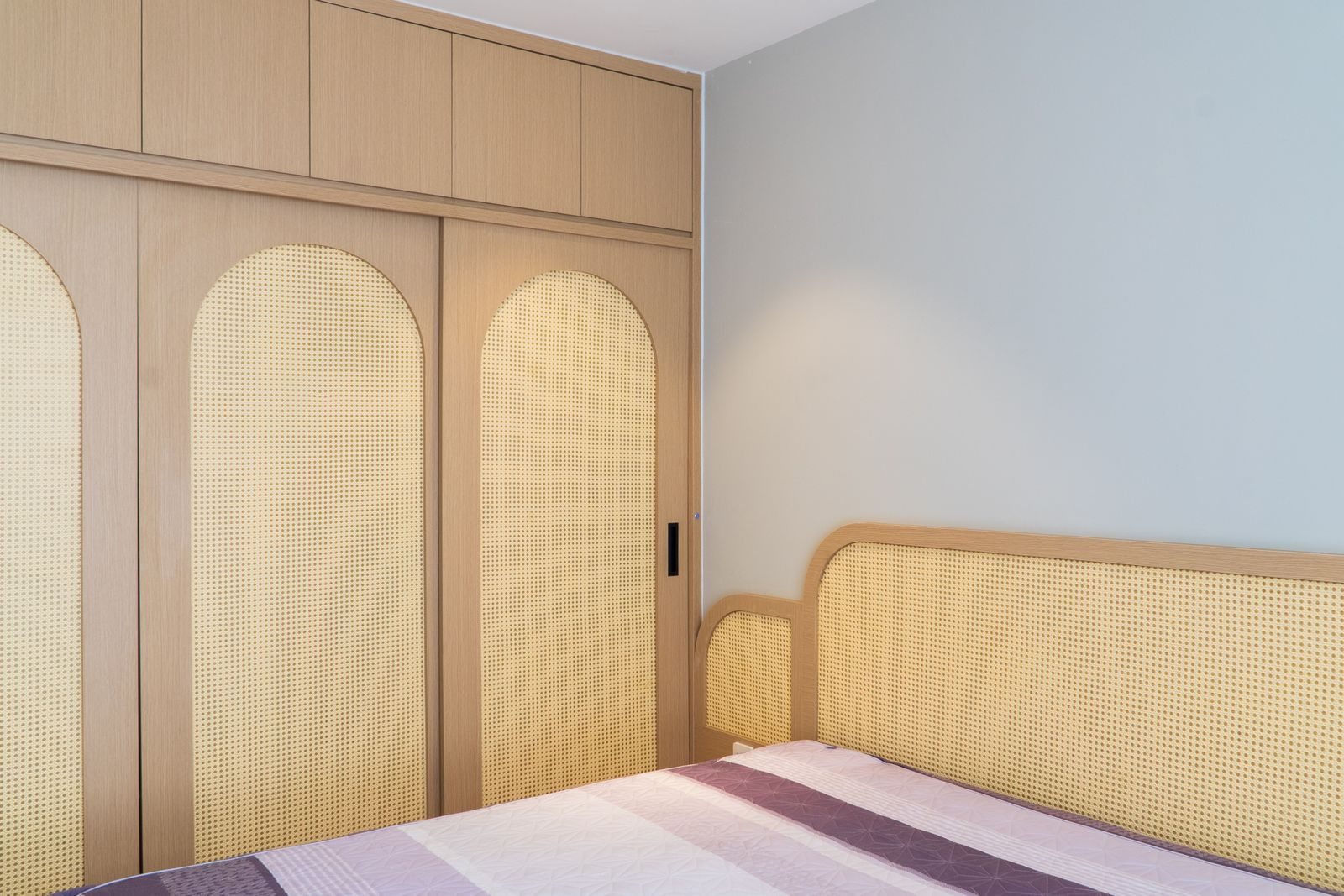
Put matching pieces together, including a belt or other small accessories you need. This reveals missing items early. After dressing, return the remaining clothes to their assigned places. Before departure, inspect the wardrobe, drawers and the space behind hanging coats. In compact rooms, individual items can easily disappear between luggage and furniture when every available surface has temporarily become a storage area.