Prioritise devices for the following day
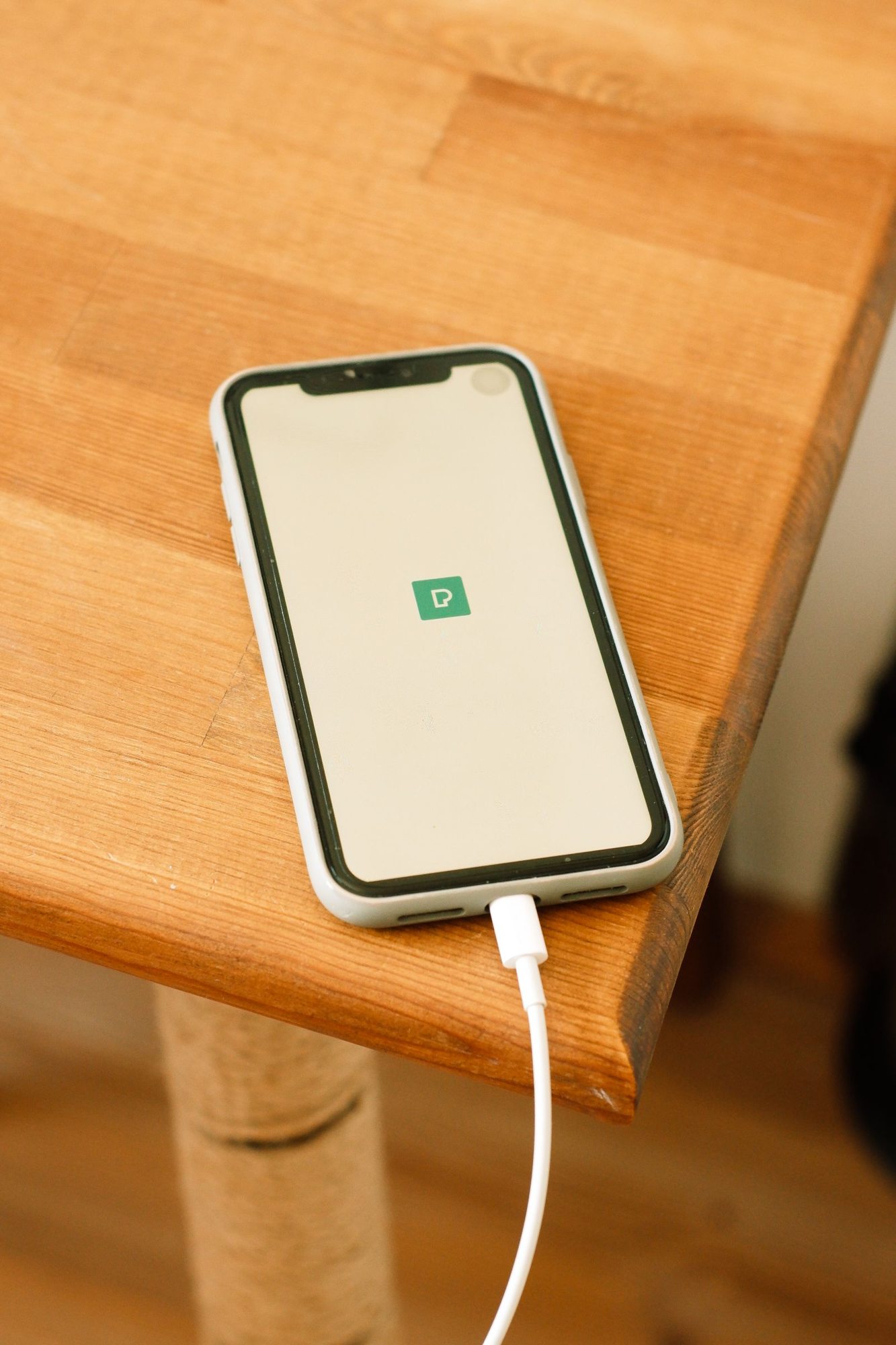
Decide which devices must be ready in the morning. Your phone, laptop and any other required device take priority over equipment you will not use that day. Check their charge levels before connecting everything. A fixed charging area helps you keep track, but it does not replace the manufacturers' instructions. Use suitable, undamaged devices and accessories. A visibly damaged cable should not remain in the active setup as a supposed backup.
Choose an appropriate surface
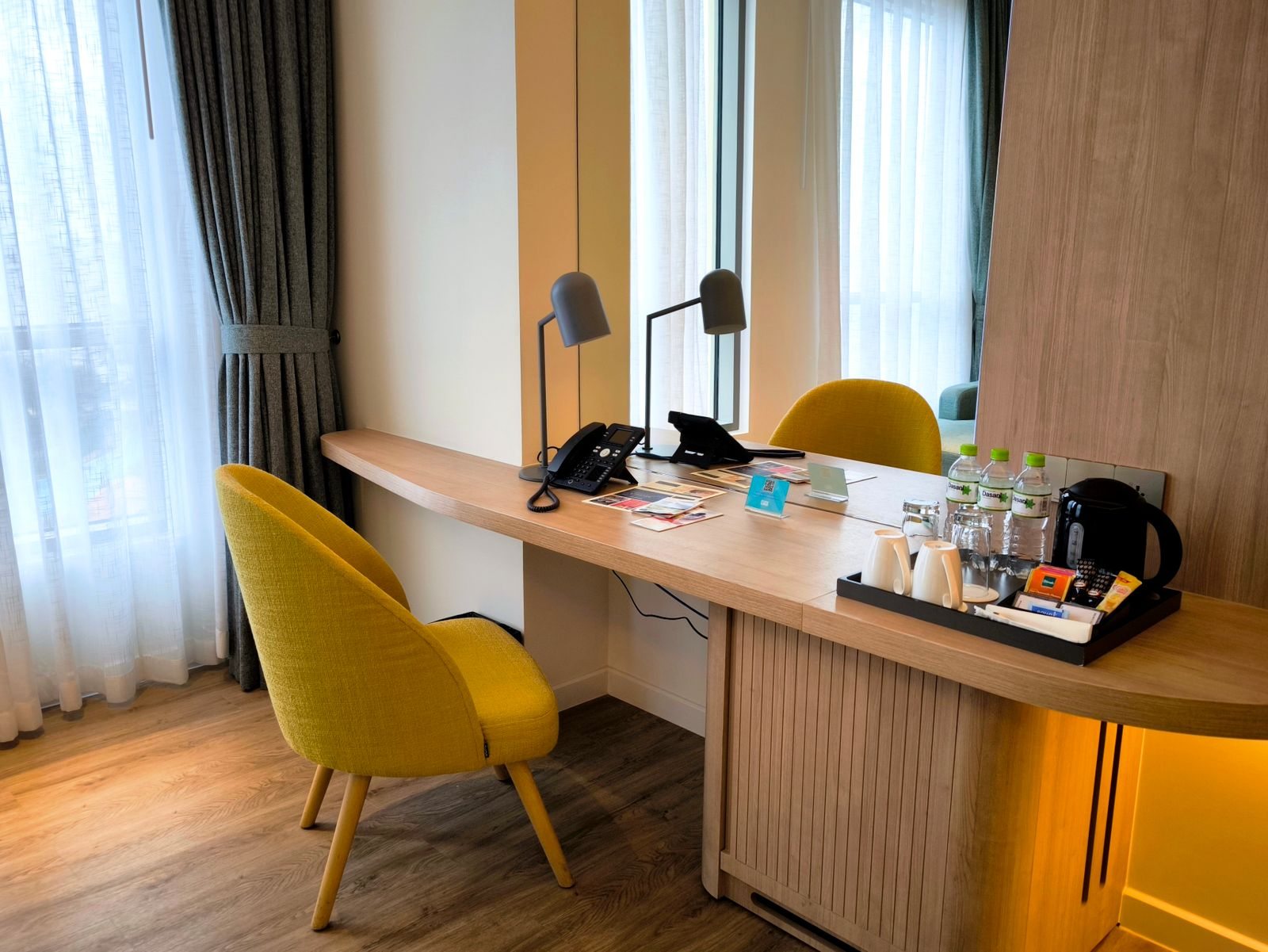
Find a stable, clear surface close to a suitable socket. Avoid an arrangement where cables cross a walking route or devices disappear among pillows and bedding. Follow the ventilation and operating guidance for your equipment. Do not put an open drink between the connections. If the available socket is awkwardly positioned, ask about an appropriate solution rather than altering furniture or fixed electrical installations yourself.
Test shared charging beforehand
If one power supply serves several devices, check before the trip that the combination suits your needs. The number of ports alone does not establish how the available power is shared. Follow the manufacturers' specifications and use appropriate cables. A laptop that charges slowly or not at all should not become a discovery just before departure. For a simple travel kit, an already tested arrangement is often more useful than an unfamiliar new combination.
Set a consistent packing moment
Link packing the chargers to a reliable morning action, such as the final room check. Look directly at the socket you used and along the edge of the desk. Small adapters are easily left behind a curtain or piece of furniture. Count the components of your usual set before closing the bag. Charging and packing then become one understandable routine instead of two separate tasks that are easy to forget.