Define the purpose of the meeting
A brief introduction over coffee needs less privacy than a pricing negotiation with documents. First decide what sort of conversation will take place. A public breakfast area is often unsuitable for confidential material. Choose another room or move that part of the discussion elsewhere. A breakfast appointment should not depend on neighbouring tables happening to be empty. A hotel with business guests is not automatically a discreet place for a meeting.
Confirm access and seating
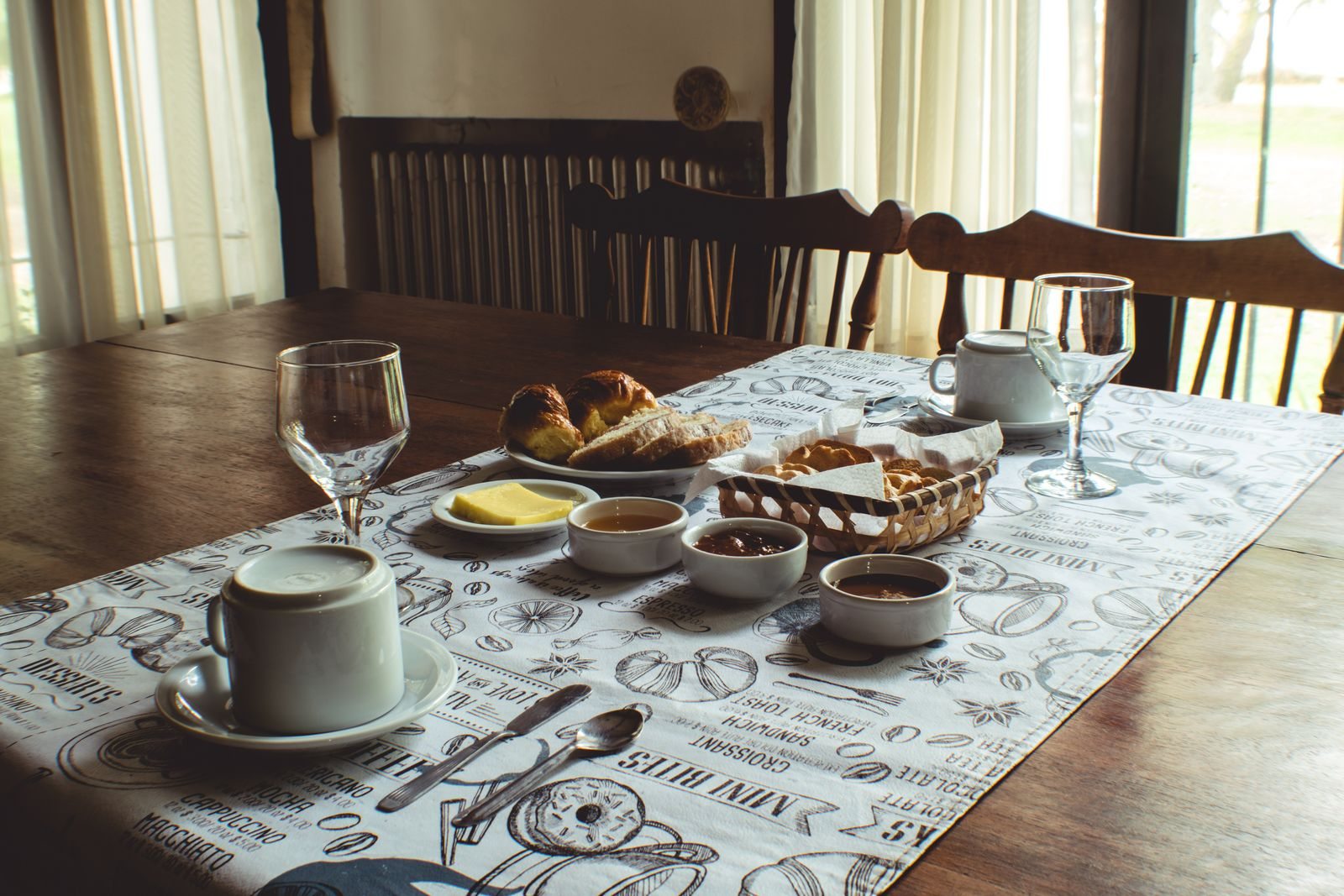
Ask whether outside guests can join breakfast, how payment works and whether a table can be reserved. One person's overnight booking does not necessarily give everyone invited access. State the group size. Consider whether the table shape supports ordinary conversation and leaves space for the documents you genuinely need. A small round table for four can quickly fill with plates, making an extensive product presentation awkward.
Keep the sequence simple
Specify a clear meeting point, such as the entrance to the breakfast area, rather than just naming the hotel. Order or collect food before discussing an important issue. Someone repeatedly leaving the table cannot follow the conversation continuously. Limit the agenda to one or two questions and briefly record the next action. Avoid an elaborate screen demonstration if it requires moving everyone's plates and cups first.
Account for everyone's departure
Ask about the earliest fixed commitment and set an end time before it. Different exhibition entrances or hotels can create very different onward journeys. Allow space for payment and goodbyes. If someone arrives late, do not automatically begin a complete second round. Send the agreed points afterwards instead. This keeps breakfast a useful start to the day without immediately disrupting the rest of the working schedule.