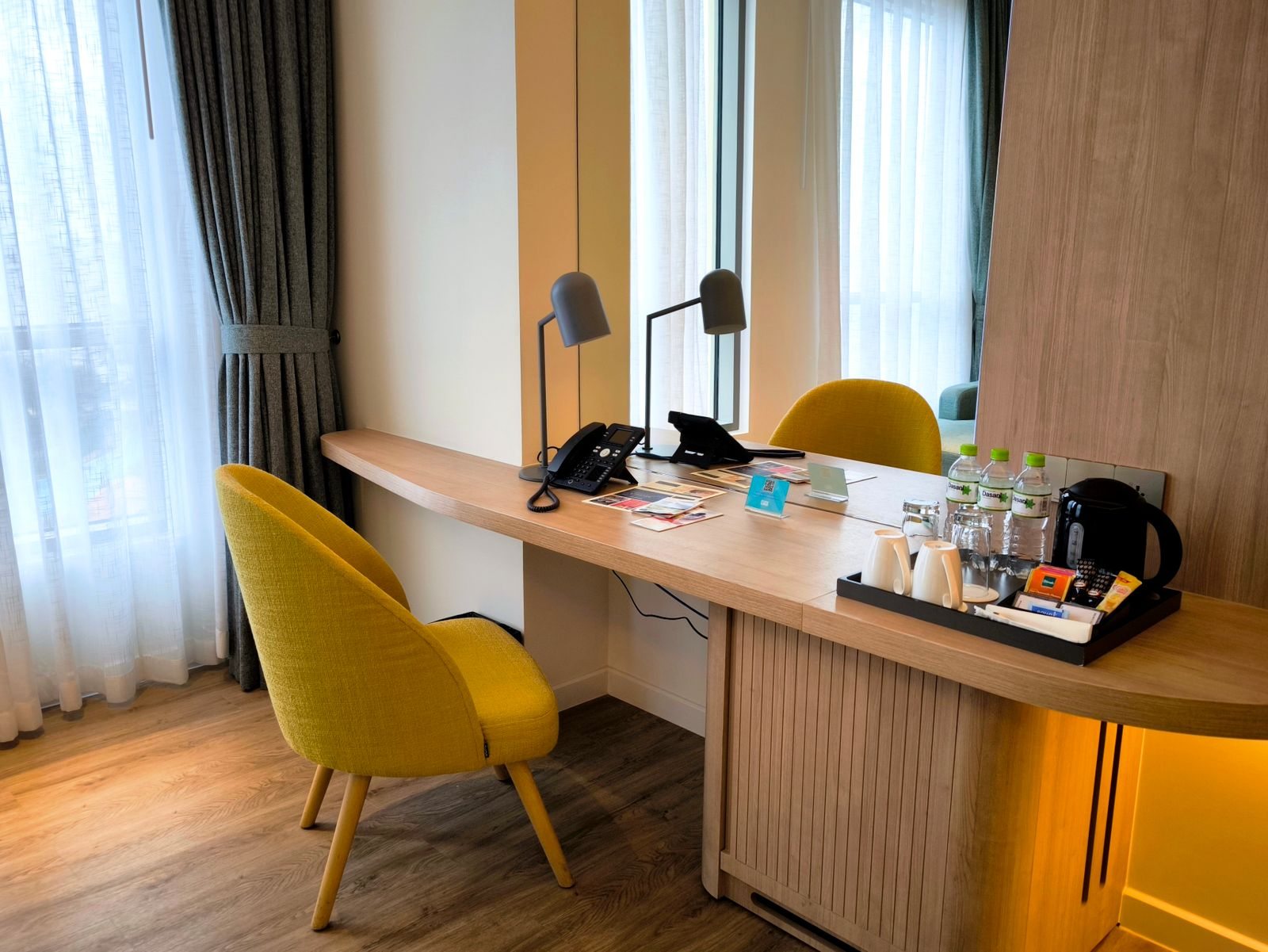
Separate personal and shared items
Decide which belongings each traveller manages and which are genuinely shared equipment. A personal phone needs a different arrangement from a demonstration device used by the team. Discreetly label similar chargers or bags so they are not confused during packing. Do not casually hand documents or devices to a colleague without agreeing the purpose and return. A clear handover prevents both people from assuming the other has already packed the item.
Choose storage deliberately
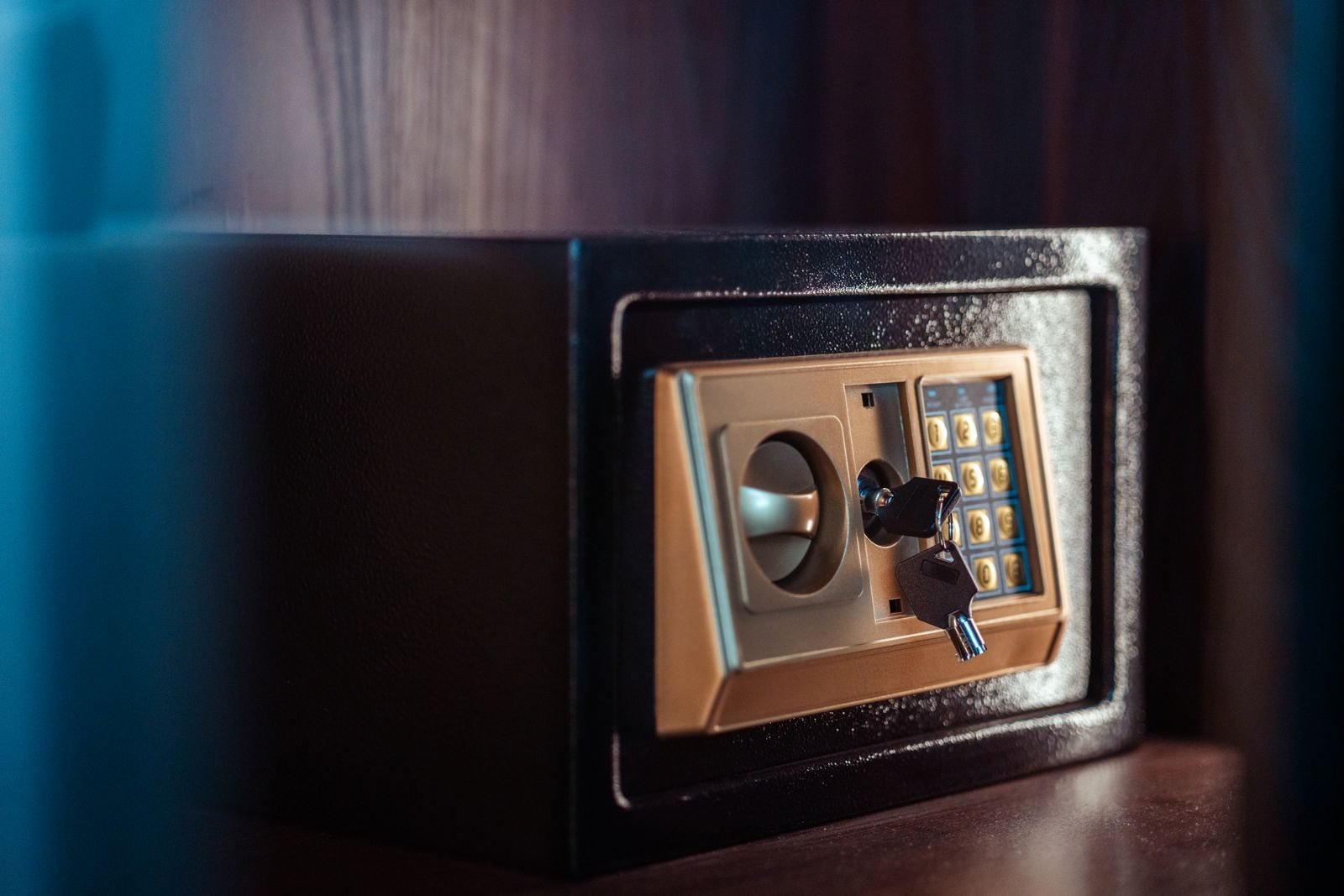
Check which options the property offers and read their conditions. A room safe may suit some belongings, but it is not available in every room or large enough for every device. It also provides no basis for a blanket security guarantee. If you use one, follow the instructions and test access before placing important items inside. Work devices and documents remain subject to your organisation's requirements as well.
Limit access and keep it understandable
Do not collect every traveller's access details in a shared message just in case. Share only what the agreed task requires, using suitable workplace procedures. Put shared equipment in an agreed place while keeping personal belongings separate. In a shared apartment, be clear about who checks the door when leaving. That does not remove each person's responsibility to keep track of their own important possessions.
Count important items before moving
When changing hotels or starting a journey, briefly check the things that matter. A short list naming the device, responsible person and bag is often enough. At departure, inspect any lockers and drawers used too. If something is missing, start with its last known handover rather than immediately searching several places at once. Report missing work equipment through the required process and avoid exposing sensitive information in a public message asking for help.